Best Technical Analysis Tools for Crypto Trading in 2024: The Definitive Guide
In the volatile world of cryptocurrency trading, where prices can swing dramatically within hours, technical analysis (TA) has emerged as an essential discipline for traders seeking to navigate market movements. Unlike fundamental analysis, which examines a project's underlying technology, team, and adoption, technical analysis focuses purely on price action, volume, and historical patterns to forecast future price direction. For crypto traders in 2024, mastering technical analysis isn't just an advantage—it's a necessity for survival and profitability in markets that operate 24/7 with unprecedented liquidity and complexity.
This comprehensive guide will explore the best technical analysis tools available for cryptocurrency trading in 2024, examining everything from basic charting platforms to advanced algorithmic trading systems. We'll cover how these tools have evolved to meet the unique demands of crypto markets, what features separate exceptional platforms from mediocre ones, and how you can integrate these tools into a profitable trading strategy. Whether you're a day trader monitoring minute-by-minute movements or a long-term investor looking for optimal entry points, understanding and utilizing the right TA tools can mean the difference between consistent profits and costly mistakes.
The Evolution of Crypto Technical Analysis Tools
Technical analysis in cryptocurrency markets has undergone a remarkable transformation since Bitcoin's early days. Initially, traders relied on basic stock market tools adapted for crypto, but the unique characteristics of digital asset markets—24/7 trading, extreme volatility, and novel market structures—demanded specialized solutions. The first generation of crypto TA tools emerged around 2014-2016, with platforms like TradingView integrating cryptocurrency pairs alongside traditional assets. These early tools provided basic charting capabilities but often struggled with the specific needs of crypto traders.
By 2018-2020, a second wave of specialized crypto TA platforms emerged, offering features tailored to digital assets. These included on-chain metrics integration, exchange-specific order book visualization, and tools for analyzing decentralized finance (DeFi) tokens. The current generation (2022-2024) represents a quantum leap in sophistication, incorporating artificial intelligence, machine learning algorithms, and real-time sentiment analysis. Modern platforms don't just display charts—they interpret market data, identify patterns across multiple timeframes simultaneously, and provide actionable insights that would take human analysts hours to derive.
According to a 2023 survey by CryptoCompare, 78% of professional cryptocurrency traders now use at least three different TA tools in their daily workflow, up from just 42% in 2020. This proliferation reflects both the increasing complexity of crypto markets and the growing recognition that no single tool can provide a complete picture. The most successful traders in 2024 aren't just skilled at reading charts—they're proficient at selecting and integrating the right combination of tools for their specific trading style and market conditions.
Essential Features of Modern Crypto TA Platforms
When evaluating technical analysis tools for cryptocurrency trading in 2024, several core features separate exceptional platforms from basic charting software. First and foremost is real-time data accuracy and speed. Crypto markets move faster than traditional financial markets, with significant price movements often occurring within minutes or even seconds. A delay of just 30 seconds in price data can mean missing a critical entry or exit point. Top-tier platforms in 2024 offer sub-second latency and maintain direct API connections to major exchanges rather than relying on aggregated feeds that introduce delays.
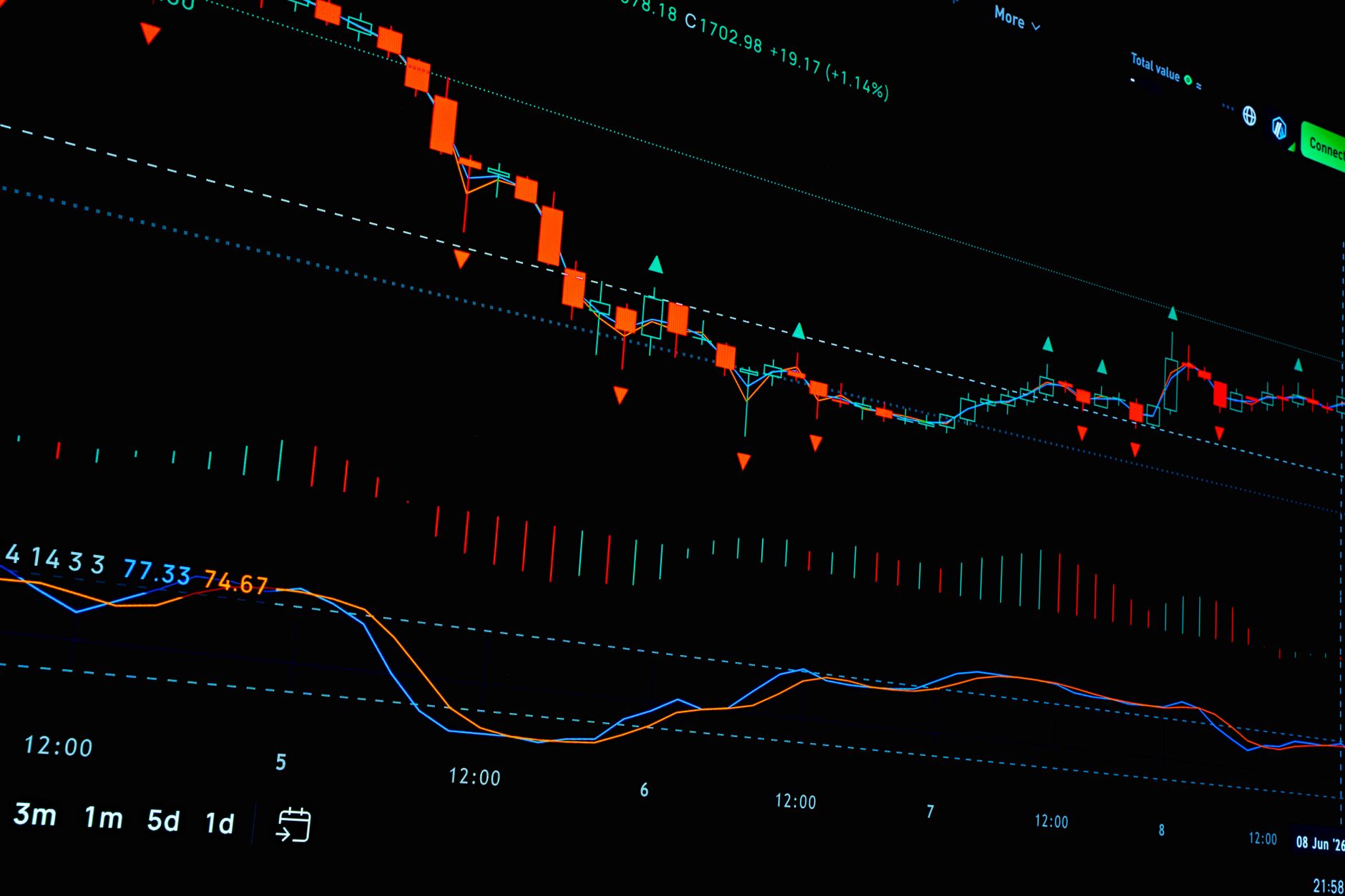
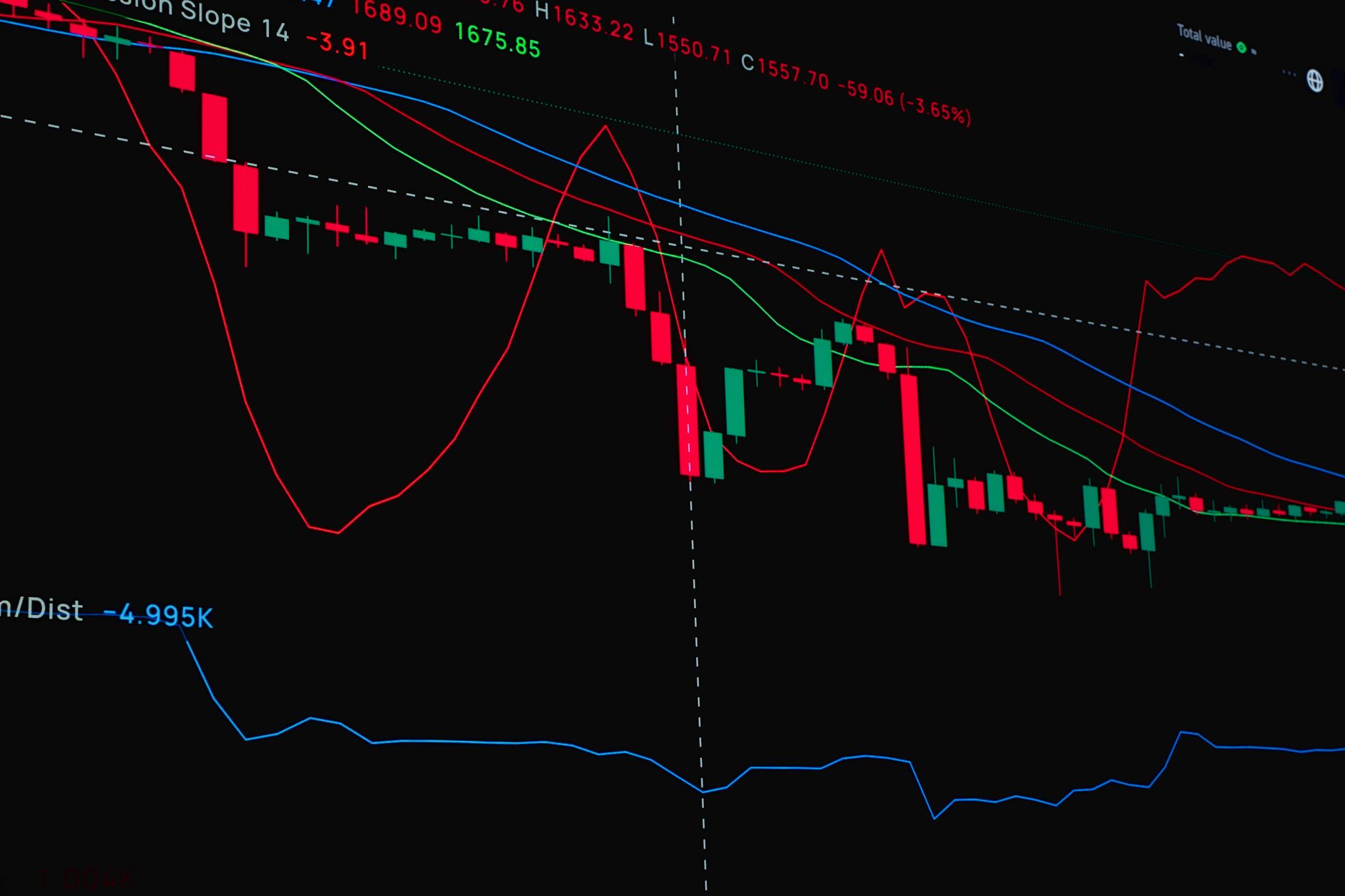
Advanced charting capabilities represent another critical feature. Beyond basic candlestick charts, modern TA tools should support multiple chart types (Heikin-Ashi, Renko, Point & Figure), customizable timeframes (including non-standard intervals like 3-hour or 45-minute charts), and the ability to overlay multiple indicators without cluttering the interface. The best platforms allow traders to save custom chart templates and quickly switch between different market views, a feature particularly valuable during high-volatility events when seconds count.
Indicator libraries have expanded dramatically in recent years. While traditional indicators like Moving Averages, RSI, and MACD remain essential, crypto-specific indicators have gained prominence. These include:
- NVT Ratio (Network Value to Transactions): Measures whether a cryptocurrency's market cap is justified by its on-chain transaction volume
- MVRV Z-Score: Identifies when Bitcoin is significantly overvalued or undervalued relative to its realized value
- Exchange Net Flow: Tracks movement of coins between exchanges and private wallets, indicating potential selling or accumulation pressure
- Social Sentiment Indicators: Analyze social media and news sentiment to gauge market psychology
Integration capabilities represent another crucial consideration. The most effective TA platforms in 2024 don't exist in isolation—they connect seamlessly with trading bots, portfolio trackers, and risk management tools. API access should be robust and well-documented, allowing traders to build custom workflows that automate analysis and execution. Some platforms even offer webhook integrations that can trigger alerts or trades based on specific technical conditions being met.
Top Charting Platforms for Crypto Technical Analysis
TradingView: The Industry Standard
TradingView has established itself as the dominant charting platform across all financial markets, and its cryptocurrency capabilities have grown impressively. With support for thousands of crypto pairs across hundreds of exchanges, TradingView offers unparalleled breadth of coverage. The platform's social features—allowing users to share charts, ideas, and analysis—create a collaborative environment where traders can learn from each other's approaches. TradingView's Pine Script programming language enables users to create custom indicators and strategies, with a vast library of community-contributed scripts available.
Where TradingView truly excels is in its user experience. The interface is intuitive yet powerful, with extensive customization options that allow traders to create their ideal workspace. The platform supports multiple chart layouts, watchlists, and alerts that can be configured for virtually any technical condition. While the free version offers substantial functionality, serious traders will benefit from the paid plans that provide faster data, more indicators, and priority server access. For those developing automated strategies, TradingView's integration with third-party trading bots via webhooks makes it a versatile centerpiece of any trading toolkit.
Crypto-specific Platforms: Specialized Solutions
While TradingView dominates the general charting space, several platforms have emerged that focus specifically on cryptocurrency technical analysis. These specialized tools often offer features tailored to the unique aspects of digital asset markets that general-purpose platforms might overlook.
Coinigy stands out for its exchange integration capabilities, supporting over 45 cryptocurrency exchanges through a single interface. This allows traders to monitor and analyze markets across multiple platforms without constantly switching between tabs or applications. Coinigy's strength lies in its portfolio tracking and arbitrage identification tools, helping traders spot price discrepancies between exchanges in real-time. The platform also offers advanced order types and trading automation features that appeal to active traders executing multiple positions simultaneously.
Glassnode Studio takes a different approach, focusing on on-chain metrics alongside traditional technical analysis. By combining price charts with network data like active addresses, transaction volume, and miner behavior, Glassnode provides a more holistic view of market conditions. This is particularly valuable for Bitcoin and Ethereum traders, where on-chain activity often precedes price movements. Glassnode's alert system can notify traders of significant on-chain events, such as large whale movements or exchange inflows/outflows that might indicate impending volatility.
CryptoWatch (by Kraken) offers a clean, minimalist interface that prioritizes speed and efficiency. While it may lack some of the advanced features of more comprehensive platforms, CryptoWatch excels at providing real-time data with minimal latency. The platform's strength is its simplicity—traders can quickly set up charts with their preferred indicators without navigating complex menus or settings. For day traders and scalpers who need to make rapid decisions based on clean, uncluttered charts, CryptoWatch represents an excellent choice.
Advanced Technical Analysis Software
Beyond basic charting platforms, a category of advanced TA software has emerged that incorporates artificial intelligence, machine learning, and sophisticated statistical models. These tools represent the cutting edge of crypto technical analysis in 2024, offering capabilities that extend far beyond traditional indicator-based approaches.
TrendSpider utilizes machine learning algorithms to automatically identify chart patterns and technical setups across multiple timeframes simultaneously. Instead of manually scanning charts for patterns like head and shoulders, double tops, or triangles, TrendSpider's algorithms do this work automatically, alerting traders to potential opportunities they might otherwise miss. The platform's "Raindrop Charts" provide a unique visualization of buying and selling pressure, while its backtesting engine allows traders to evaluate strategies against historical data with unprecedented depth.
LunaTrades focuses specifically on cryptocurrency markets, employing neural networks trained on years of crypto price data. What sets LunaTrades apart is its ability to identify non-obvious correlations between different cryptocurrencies and market factors. The platform can detect, for example, how Bitcoin dominance movements might affect altcoin prices, or how DeFi token performance correlates with Ethereum network activity. LunaTrades also incorporates sentiment analysis from social media and news sources, providing a multidimensional view of market conditions.
QuantConnect represents the most advanced end of the spectrum, offering a complete algorithmic trading platform with integrated technical analysis capabilities. While primarily designed for quantitative traders developing automated strategies, QuantConnect's charting and analysis tools are surprisingly robust. The platform supports hundreds of technical indicators and allows for complex multi-asset, multi-timeframe analysis. For traders with programming skills who want to build and test sophisticated TA-based strategies, QuantConnect offers unparalleled flexibility and power.
Mobile Technical Analysis Applications
The 24/7 nature of cryptocurrency markets means traders need access to technical analysis tools regardless of their location. Mobile applications have evolved from simple price checkers to fully-featured TA platforms that rival their desktop counterparts in functionality. In 2024, the best mobile TA apps offer real-time charting, comprehensive indicator libraries, and even limited trading capabilities directly from the application.
TradingView Mobile maintains feature parity with the desktop version better than any other platform. The app supports all the same chart types, indicators, and drawing tools, with an interface optimized for touch interaction. Alerts sync seamlessly between mobile and desktop, ensuring traders never miss important market movements. The ability to save and load custom chart layouts makes switching between different analysis approaches quick and efficient, even on a smaller screen.
Delta takes a portfolio-centric approach to mobile technical analysis. While it offers capable charting features, Delta's strength lies in integrating price analysis with portfolio tracking. Traders can see how potential market movements would affect their overall portfolio value, set price alerts for specific holdings, and track performance across multiple exchanges and wallets. For investors managing diverse crypto portfolios alongside their trading activities, Delta provides a unified view that combines technical analysis with position management.
CoinStats focuses on delivering actionable insights through its mobile interface. Beyond standard charting capabilities, CoinStats incorporates AI-driven market predictions, news aggregation, and social sentiment indicators. The platform's "Market Scanner" feature automatically identifies potential trading opportunities based on technical conditions, saving traders hours of manual chart review. For those who want technical analysis distilled into clear, actionable signals rather than raw charts, CoinStats represents an excellent mobile solution.
Integrating On-Chain Analytics with Technical Analysis
One of the most significant developments in cryptocurrency technical analysis has been the integration of on-chain metrics with traditional price charts. While technical analysis focuses on price action and market psychology, on-chain analytics examines the fundamental health and activity of blockchain networks themselves. Combining these two approaches provides a more complete picture of market conditions than either method alone.
On-chain metrics that complement technical analysis include:
- Exchange Balances: Tracking the amount of cryptocurrency held on exchanges can indicate selling pressure (increasing balances) or accumulation (decreasing balances)
- Active Addresses: The number of unique addresses participating in transactions can signal network adoption trends
- Miner Flows: Movements of coins from miner addresses may indicate selling pressure from network operators
- Realized Cap: Measures the total value of all coins at the price they last moved, providing insight into the aggregate cost basis of market participants
Platforms like Glassnode and IntoTheBlock excel at presenting on-chain data in formats that technical analysts can readily incorporate into their decision-making process. These tools often overlay on-chain metrics directly on price charts, allowing traders to visualize correlations between network activity and price movements. For example, a trader might notice that spikes in Bitcoin's network transaction volume often precede significant price movements, providing an early warning signal before traditional technical indicators react.
A practical example of this integration in action involves using the MVRV Z-Score alongside traditional support and resistance analysis. The MVRV Z-Score identifies when Bitcoin's market value deviates significantly from its realized value. When this indicator reaches extreme levels (typically above 7 or below -1), it has historically marked major market tops or bottoms. By combining this on-chain signal with technical analysis of price action at key support/resistance levels, traders can make more informed decisions about market timing and position sizing.
Algorithmic Trading and Automated Technical Analysis
For serious cryptocurrency traders, manual technical analysis eventually becomes a bottleneck. Markets operate 24/7, and opportunities can emerge at any time. Algorithmic trading systems that automate technical analysis and execution have become increasingly accessible in 2024, moving from the exclusive domain of institutional traders to tools available to sophisticated retail participants.
Algorithmic trading platforms for crypto typically fall into three categories:
- Strategy Builders: Visual interfaces that allow traders to create automated strategies without programming
- Code-Based Platforms: Environments where traders write their own algorithms in languages like Python or JavaScript
- Signal Following Services: Systems that generate trading signals based on technical analysis, which users can choose to execute manually or automatically
3Commas represents a popular strategy builder platform, offering a visual interface for creating trading bots based on technical indicators. Users can set conditions like "Buy when RSI drops below 30 on the 4-hour chart" and "Sell when price reaches 5% above entry," with the platform handling execution automatically. 3Commas supports multiple exchanges and offers features like trailing stop losses and portfolio rebalancing, making it accessible to traders without programming experience.
For those with coding skills, Freqtrade offers an open-source alternative that provides complete control over trading logic. Written in Python, Freqtrade allows traders to implement virtually any technical analysis strategy, backtest it against historical data, and deploy it to live markets. The platform's active community contributes hundreds of pre-built strategies and indicators, reducing development time for new algorithmic traders.
Cryptohopper takes a marketplace approach, allowing users to purchase or rent trading strategies developed by other traders. The platform verifies the historical performance of these strategies and provides tools for customizing risk parameters. For traders who want to leverage algorithmic trading but lack the time or expertise to develop their own strategies, Cryptohopper offers a middle ground between fully manual trading and complete automation.
Backtesting and Strategy Validation
One of the most critical yet often overlooked aspects of technical analysis is proper backtesting. In 2024, with markets more efficient than ever, strategies that appear sound in theory often fail in practice due to overlooked factors like slippage, fees, or changing market conditions. Comprehensive backtesting tools have become essential for separating profitable strategies from statistical flukes.
Effective backtesting for cryptocurrency strategies must account for several unique factors:
- 24/7 Market Hours: Unlike traditional markets with opening and closing times, crypto markets never close
- Exchange-Specific Conditions: Liquidity, fees, and available order types vary significantly between exchanges
- Slippage in Volatile Markets: Rapid price movements can cause significant differences between expected and actual fill prices
- Network Congestion: During periods of high activity, blockchain transaction times and fees can impact trading outcomes
TradingView's Strategy Tester provides an accessible entry point for backtesting, allowing users to test Pine Script strategies against historical data. While limited in some respects (particularly around realistic execution modeling), TradingView's backtester is excellent for initial strategy validation and idea generation. The visual presentation of results makes it easy to identify when and why a strategy succeeds or fails.
For more rigorous testing, QuantConnect offers institutional-grade backtesting capabilities. The platform models realistic order execution, including limit order fills based on historical order book data where available. QuantConnect supports walk-forward optimization, Monte Carlo analysis, and other advanced techniques for validating strategy robustness. While requiring programming skills, the platform provides confidence that strategies performing well in backtests have a reasonable chance of succeeding in live markets.
Backtrader, an open-source Python framework, strikes a balance between accessibility and power. With a relatively gentle learning curve compared to full quantitative platforms, Backtrader allows traders to backtest strategies incorporating multiple technical indicators across various timeframes. The framework's modular design makes it easy to add custom data sources, brokers, or analytics, providing flexibility as traders' needs evolve.
Risk Management Tools Integrated with Technical Analysis
Technical analysis identifies opportunities, but risk management determines whether those opportunities translate to long-term profitability. The best TA platforms in 2024 integrate risk management features directly into their analysis tools, helping traders maintain discipline even during volatile market conditions.
Position sizing calculators represent one of the most valuable integrated risk management tools. Based on account size, risk tolerance, and the technical characteristics of a potential trade (such as distance to stop loss), these calculators determine the appropriate position size to limit potential losses to a predetermined percentage of the trading account. Some advanced platforms even adjust position sizes dynamically based on changing market volatility, reducing exposure during high-volatility periods and increasing it during calmer conditions.
Correlation analysis tools help traders understand how different cryptocurrency positions might move together during market stress. By analyzing historical price relationships, these tools can warn traders when their portfolio contains highly correlated assets that might all decline simultaneously. Some platforms visualize these relationships through heat maps or network diagrams, making it easy to identify concentration risk before it becomes problematic.
Scenario analysis features allow traders to model how their portfolio would perform under various market conditions. By combining technical analysis of support and resistance levels with portfolio holdings, these tools can estimate potential gains or losses if prices reach certain technical targets. This forward-looking perspective helps traders prepare emotionally and strategically for different market outcomes rather than reacting impulsively when prices move.
Educational Resources for Mastering Crypto TA Tools
With the rapid evolution of technical analysis tools, continuous education has become essential for traders seeking to maintain an edge. Fortunately, the platforms themselves have invested heavily in educational content, recognizing that skilled users are more likely to become long-term customers.
TradingView's Learning Center offers comprehensive tutorials covering everything from basic chart reading to advanced indicator development in Pine Script. The platform's social features create a built-in mentorship environment, where less experienced traders can learn from the published analyses of more seasoned practitioners. TradingView also hosts regular webinars featuring professional traders demonstrating real-time analysis using the platform's tools.
CoinMarketCap's Alexandria provides a structured learning path for cryptocurrency traders, with specific sections dedicated to technical analysis tools and methodologies. What sets Alexandria apart is its focus on cryptocurrency-specific considerations, such as analyzing tokens with different consensus mechanisms or accounting for staking rewards in technical analysis. The platform's quizzes and interactive exercises help reinforce learning through practical application.
For those preferring video content, YouTube channels like DataDash, Coin Bureau, and Benjamin Cowen offer regular technical analysis using various tools. These creators often demonstrate their entire workflow, from initial chart setup through trade execution, providing valuable insights into how professional traders actually use TA tools in practice. Many tool developers also maintain active YouTube channels showcasing new features and use cases.
Community forums and Discord servers associated with specific platforms offer real-time support and knowledge sharing. The TradingView Discord, for example, features channels dedicated to different aspects of technical analysis, where users can ask questions, share discoveries, and collaborate on indicator development. These communities often include platform developers who can provide insights into upcoming features or clarify how specific tools function.
Future Trends in Crypto Technical Analysis Tools
As we look beyond 2024, several emerging trends promise to further transform how traders approach technical analysis in cryptocurrency markets. Artificial intelligence and machine learning will continue to advance, moving from pattern recognition to predictive modeling that accounts for complex, non-linear relationships between market variables. We can expect platforms to offer increasingly personalized analysis, learning individual traders' styles and preferences to highlight the most relevant opportunities.
Decentralized technical analysis tools represent another frontier. Built on blockchain technology itself, these platforms would offer transparent, verifiable analysis algorithms that users could audit rather than relying on proprietary black-box systems. Such tools might incorporate decentralized data oracles to ensure analysis reflects genuine market conditions rather than potentially manipulated exchange data.
Virtual and augmented reality interfaces could revolutionize how traders interact with technical analysis tools. Instead of flat screens, traders might navigate three-dimensional chart spaces, using natural gestures to manipulate timeframes or overlay indicators. Such interfaces could allow for simultaneous monitoring of dozens of charts and indicators in an intuitive spatial arrangement that reduces cognitive load.
Cross-asset analysis capabilities will become increasingly important as cryptocurrency markets mature and integrate with traditional finance. Tools that can analyze relationships between crypto assets, stocks, commodities, and currencies will help traders navigate increasingly interconnected global markets. We may see platforms that automatically adjust technical analysis parameters based on broader market conditions, recognizing that a 10% move in Bitcoin means something very different during a bull market versus a period of financial crisis.
Conclusion: Building Your Optimal TA Toolkit for 2024
Selecting the right technical analysis tools for cryptocurrency trading in 2024 requires careful consideration of your trading style, experience level, and specific needs. No single platform excels in all areas, which is why most successful traders utilize a combination of tools—perhaps TradingView for charting and social analysis, Glassnode for on-chain metrics, and a specialized platform for algorithmic execution. The key is to build a toolkit that provides multiple perspectives on market conditions while remaining manageable enough that you can actually use all the tools effectively.
Remember that tools are only as valuable as the trader wielding them. The most sophisticated platform cannot compensate for poor risk management or emotional decision-making. As you explore different technical analysis tools, focus on developing a consistent process that incorporates analysis, risk management, and execution in a disciplined framework. Start with one or two core platforms, master their capabilities, and then gradually add complementary tools that address specific gaps in your analysis.
Ultimately, the best technical analysis tools for crypto trading are those that help you make better decisions with greater confidence. They should provide clarity amid market noise, highlight opportunities you might otherwise miss, and help you manage risk systematically. As cryptocurrency markets continue to evolve in 2024 and beyond, staying current with technical analysis tools and methodologies will remain essential for traders seeking consistent success in one of the world's most dynamic financial markets.
For those looking to deepen their understanding of specific aspects covered in this guide, we recommend exploring our related articles on crypto trading strategies, risk management techniques, and market psychology. Each provides additional context and practical guidance for integrating technical analysis tools into a comprehensive trading approach.