Cryptocurrency Market News & Analysis: The Complete Guide for Investors
In the fast-paced world of digital assets, staying informed is not just an advantage—it's a necessity. Cryptocurrency market news and analysis represent the critical information ecosystem that powers investment decisions, risk management, and strategic positioning in this volatile yet potentially rewarding space. This comprehensive guide serves as your definitive resource for understanding, accessing, and utilizing cryptocurrency market intelligence effectively.
Cryptocurrency markets operate 24/7, with billions of dollars flowing through exchanges worldwide. Unlike traditional financial markets, crypto markets are influenced by a unique blend of technological developments, regulatory announcements, community sentiment, and macroeconomic factors. The ability to process news and analysis effectively separates successful investors from those who struggle in this dynamic environment.
Understanding Cryptocurrency Market Fundamentals
Before diving into news consumption and analysis techniques, investors must grasp the fundamental drivers of cryptocurrency markets. These markets differ significantly from traditional financial systems in several key aspects.
Market Structure and Participants
Cryptocurrency markets feature a decentralized structure with multiple exchanges operating simultaneously. Major participants include retail investors, institutional players, miners, developers, and market makers. Understanding who moves markets and why provides crucial context for interpreting news and analysis.
Volatility and Liquidity Dynamics
Cryptocurrency markets experience higher volatility than traditional assets, with daily price swings of 5-10% being common for major coins. Liquidity varies significantly between assets, with Bitcoin and Ethereum typically offering the deepest markets. This volatility creates both opportunities and risks that news and analysis help navigate.
Essential Sources for Cryptocurrency News
Building a reliable news gathering system requires multiple sources that provide timely, accurate information. Different sources serve different purposes in an investor's information ecosystem.
Primary News Platforms
Leading cryptocurrency news platforms like CoinDesk, Cointelegraph, and The Crypto Dash provide breaking news, feature articles, and market updates. These platforms employ professional journalists who verify information before publication, though investors should still cross-reference important developments.
Official Channels and Documentation
For unfiltered information, nothing beats official sources. These include project whitepapers, GitHub repositories, official Twitter accounts, and developer blogs. For example, when Ethereum announced its transition to proof-of-stake, the most accurate timeline and technical details came directly from the Ethereum Foundation's communications.
Social Media and Community Channels
Platforms like Twitter, Reddit, and Discord serve as real-time sentiment indicators and early warning systems. However, these sources require careful filtering as misinformation spreads rapidly. Following verified accounts of project founders, developers, and respected analysts provides more reliable community insights.
Types of Market Analysis Every Investor Should Know
Effective cryptocurrency investing requires multiple analytical approaches. Each method provides different insights into market conditions and potential opportunities.
Technical Analysis
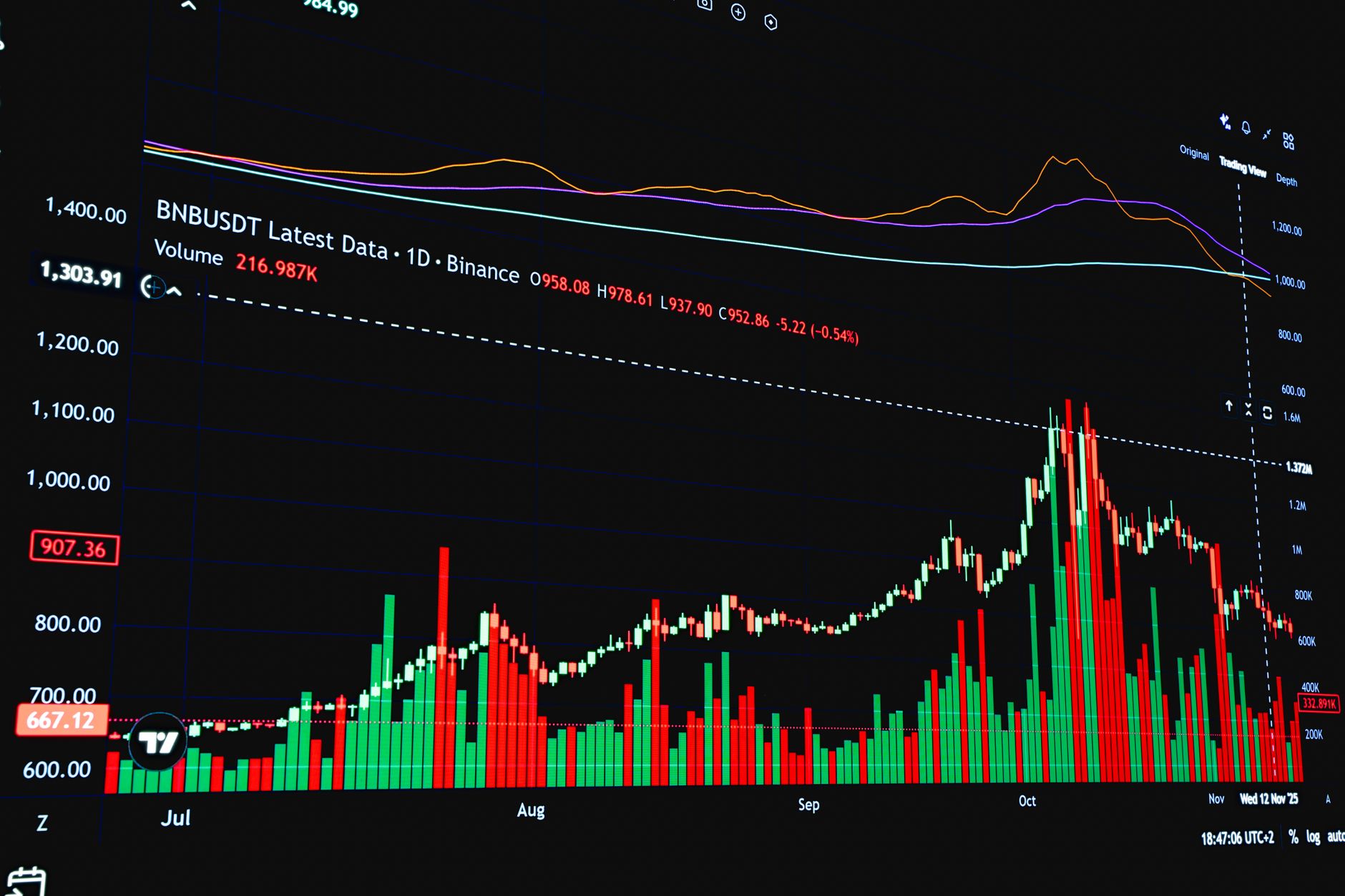
Technical analysis examines price charts and trading volumes to identify patterns and predict future movements. Common tools include moving averages, relative strength index (RSI), and Fibonacci retracements. While technical analysis works well in trending markets, it has limitations during fundamental shifts or low-liquidity conditions.
Fundamental Analysis
Fundamental analysis evaluates a cryptocurrency's intrinsic value based on its technology, team, adoption metrics, and economic model. This approach requires examining factors like network activity, developer activity, and real-world usage. For comprehensive insights into blockchain fundamentals, explore The Ultimate Guide to Blockchain Technology & Cryptocurrency News.
On-Chain Analysis
On-chain analysis examines blockchain data to understand investor behavior and network health. Key metrics include active addresses, transaction volumes, exchange flows, and holder distribution. Glassnode and CoinMetrics provide professional-grade on-chain data that institutional investors increasingly rely upon.
Interpreting Regulatory Developments
Regulatory news represents one of the most significant market-moving factors in cryptocurrency. Understanding how to interpret regulatory developments prevents overreaction to minor news while properly preparing for major shifts.
Global Regulatory Landscape
Cryptocurrency regulation varies dramatically by jurisdiction. The United States employs a multi-agency approach, the European Union is implementing comprehensive MiCA regulations, while some Asian countries have taken more restrictive stances. Tracking regulatory trends helps investors anticipate market impacts.
Case Study: SEC vs. Ripple
The ongoing SEC lawsuit against Ripple demonstrates how regulatory uncertainty can impact cryptocurrency markets. When the lawsuit was announced in December 2020, XRP's price dropped approximately 50% within days. However, as favorable court rulings emerged in 2023, the price recovered significantly. This case highlights the importance of understanding regulatory proceedings beyond headline reactions.
Economic Indicators and Macroeconomic Factors
Cryptocurrency markets increasingly correlate with traditional financial markets, particularly during periods of economic stress. Understanding these connections helps investors anticipate broader market movements.
Inflation and Monetary Policy
As central banks adjust interest rates and monetary policy, cryptocurrency markets respond accordingly. During periods of high inflation and low real interest rates, cryptocurrencies often attract investors seeking inflation hedges. Conversely, tightening monetary policy typically pressures risk assets including cryptocurrencies.
Traditional Market Correlations
The correlation between Bitcoin and traditional assets like stocks has increased in recent years. During the 2022 market downturn, Bitcoin showed significant correlation with the NASDAQ, particularly technology stocks. Monitoring these relationships helps investors understand when cryptocurrencies are moving independently versus following broader market trends.
Technology and Development Updates
For many cryptocurrencies, technological developments represent the most important fundamental factor. Tracking these updates requires understanding both the technical aspects and their potential market implications.
Network Upgrades and Forks
Major network upgrades like Ethereum's transition to proof-of-stake (The Merge) or Bitcoin's Taproot upgrade can significantly impact a cryptocurrency's value proposition. These events typically involve extensive testing, community coordination, and potential market volatility around implementation dates.
Development Activity Metrics
Metrics like GitHub commits, developer counts, and proposal activity indicate a project's health and innovation pace. Projects with consistent development activity generally demonstrate stronger long-term prospects than those with stagnant development.
Market Sentiment and Psychological Factors
Cryptocurrency markets are heavily influenced by investor psychology and sentiment. Recognizing these patterns helps investors avoid common behavioral pitfalls.
Fear and Greed Index
The Crypto Fear and Greed Index aggregates multiple sentiment indicators into a single metric. Historically, extreme fear readings have often signaled buying opportunities, while extreme greed has preceded corrections. However, this indicator works best when combined with fundamental and technical analysis.
Social Media Sentiment Analysis
Advanced tools now analyze social media sentiment quantitatively, tracking mentions, sentiment polarity, and influencer activity. While useful as a contrarian indicator at extremes, social sentiment should never serve as a primary investment thesis.
Risk Management Through Information Analysis
Effective news consumption and analysis ultimately serve risk management objectives. Proper information processing helps investors identify risks early and adjust positions accordingly.
Early Warning Signals
Certain news patterns often precede market movements. These include exchange outflow spikes (indicating accumulation), large wallet movements, regulatory comment periods ending, and major option expirations. Developing checklists for these signals improves risk assessment.
Information Verification Protocols
Given the prevalence of misinformation in cryptocurrency markets, establishing verification protocols is essential. This includes checking multiple reputable sources, verifying official announcements through primary channels, and being skeptical of unsubstantiated rumors on social media.
Tools and Platforms for Enhanced Analysis
Modern cryptocurrency investors have access to sophisticated tools that transform raw data into actionable insights. Understanding which tools serve specific purposes maximizes analytical efficiency.
Data Aggregation Platforms
Platforms like CoinMarketCap and CoinGecko provide price data, market capitalization rankings, and basic metrics. For more advanced analysis, platforms like TradingView offer professional charting tools with extensive technical indicators.
Portfolio Tracking and Analytics
Portfolio trackers like CoinStats and Delta help investors monitor performance across multiple exchanges and wallets. Advanced features include tax reporting, performance analytics, and alert systems for significant price movements or news events.
Building a Personal News and Analysis System
Every investor needs a customized system for processing cryptocurrency information. This system should balance comprehensiveness with efficiency to avoid information overload.
Daily Routine and Checklists
Successful investors develop consistent routines for news consumption and analysis. A sample daily checklist might include: checking major news headlines, reviewing portfolio positions, scanning social media for sentiment, examining on-chain metrics for held assets, and updating risk assessments based on new information.
Information Filtering Techniques
With thousands of cryptocurrency news articles published daily, effective filtering is essential. Techniques include following curated newsletters from trusted analysts, setting up Google Alerts for specific projects or regulatory topics, and using RSS feeds to aggregate preferred sources.
Common Pitfalls in News Interpretation
Even experienced investors fall prey to cognitive biases and analytical errors when processing cryptocurrency news. Recognizing these pitfalls improves decision-making quality.
Confirmation Bias
Investors naturally seek information confirming existing beliefs while discounting contradictory evidence. Actively seeking disconfirming evidence and considering alternative interpretations counteracts this bias.
Recency Bias
Recent events often receive disproportionate weight in decision-making. Maintaining historical perspective and recognizing cyclical patterns helps investors avoid overreacting to short-term developments.
Case Study: Terra/LUNA Collapse
The Terra/LUNA collapse in May 2022 illustrates multiple analytical failures. Many investors ignored fundamental concerns about the algorithmic stablecoin design, instead focusing on high yields and positive social sentiment. Those who properly analyzed the fundamental risks avoided catastrophic losses when the system collapsed.
Integrating News and Analysis into Investment Strategy
Information only creates value when properly integrated into investment processes. This integration requires clear frameworks connecting analysis to specific actions.
Decision-Making Frameworks
Developing clear criteria for different types of news responses prevents impulsive decisions. For example, regulatory news might trigger position size adjustments, while technological developments might influence long-term allocation decisions.
Position Sizing Based on Information Quality
Higher-quality information with multiple confirmations justifies larger position adjustments than single-source rumors. Establishing confidence levels for different information types helps determine appropriate response magnitudes.
The Future of Cryptocurrency News and Analysis
As cryptocurrency markets mature, information ecosystems continue evolving. Understanding emerging trends prepares investors for future analytical requirements.
Artificial Intelligence and Machine Learning
AI increasingly powers news aggregation, sentiment analysis, and predictive modeling. While these tools enhance analytical capabilities, human judgment remains essential for contextual understanding and ethical considerations.
Institutional-Grade Analytics
As institutional participation grows, demand increases for professional-grade analytics previously available only to traditional finance. This includes advanced derivatives data, custody flow information, and regulatory compliance analytics.
Conclusion: Mastering Cryptocurrency Market Intelligence
Cryptocurrency market news and analysis represent both an art and a science. Successful investors develop systematic approaches to information gathering, verification, and application while remaining adaptable to market evolution. By understanding fundamental market drivers, utilizing diverse analytical methods, recognizing psychological pitfalls, and integrating insights into disciplined investment processes, investors can navigate cryptocurrency markets more effectively.
The most valuable skill in cryptocurrency investing isn't predicting the future—it's processing present information with clarity and perspective. As markets continue maturing, those who master information analysis will maintain competitive advantages regardless of market conditions. Remember that while tools and techniques evolve, the core principles of thorough research, critical thinking, and disciplined execution remain timeless.
For those seeking to deepen their understanding of the underlying technology powering these markets, our comprehensive resource on blockchain fundamentals and cryptocurrency developments provides essential context for market analysis.