Price Analysis and Trading Signals: A Complete Guide
In the fast-paced world of cryptocurrency trading, mastering price analysis and trading signals is the cornerstone of informed decision-making. Price analysis involves evaluating historical and current market data to predict future price movements, while trading signals are actionable triggers derived from that analysis. This comprehensive guide covers everything from fundamental and technical analysis to signal validation and risk management, empowering you to navigate the crypto markets with confidence.
Understanding Price Analysis
Price analysis is the systematic study of asset prices to forecast future trends. In cryptocurrency markets—known for their volatility—price analysis helps traders identify entry and exit points, manage risk, and capitalize on market inefficiencies. The two primary approaches are fundamental analysis and technical analysis.
Fundamental Analysis in Crypto
Fundamental analysis evaluates the intrinsic value of a cryptocurrency by examining factors such as:
- Project fundamentals: Whitepaper quality, team credentials, roadmap milestones.
- On-chain metrics: Active addresses, transaction volume, hash rate (for PoW coins).
- Adoption indicators: Number of dApps, TVL (Total Value Locked) in DeFi.
- Market conditions: Regulatory news, macroeconomic trends, institutional interest.
Example: In early 2024, after Ethereum’s successful transition to proof-of-stake (the Merge), on-chain data showed a significant decrease in energy consumption and increased staking participation. Fundamental analysts monitoring these metrics would have anticipated a bullish trend, leading to a price rally from $1,200 to $1,800 over three months.
Technical Analysis: The Core Toolkit
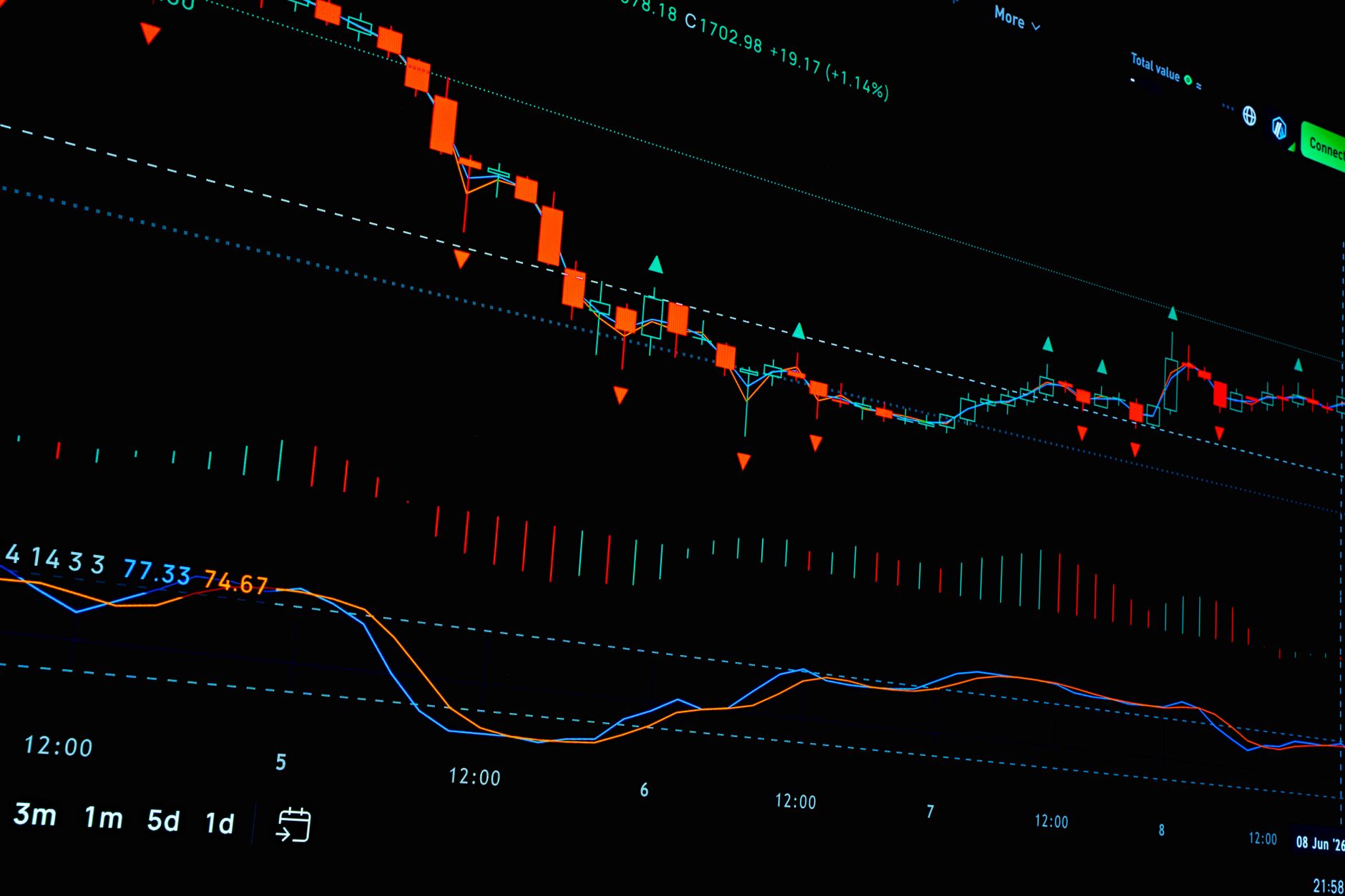
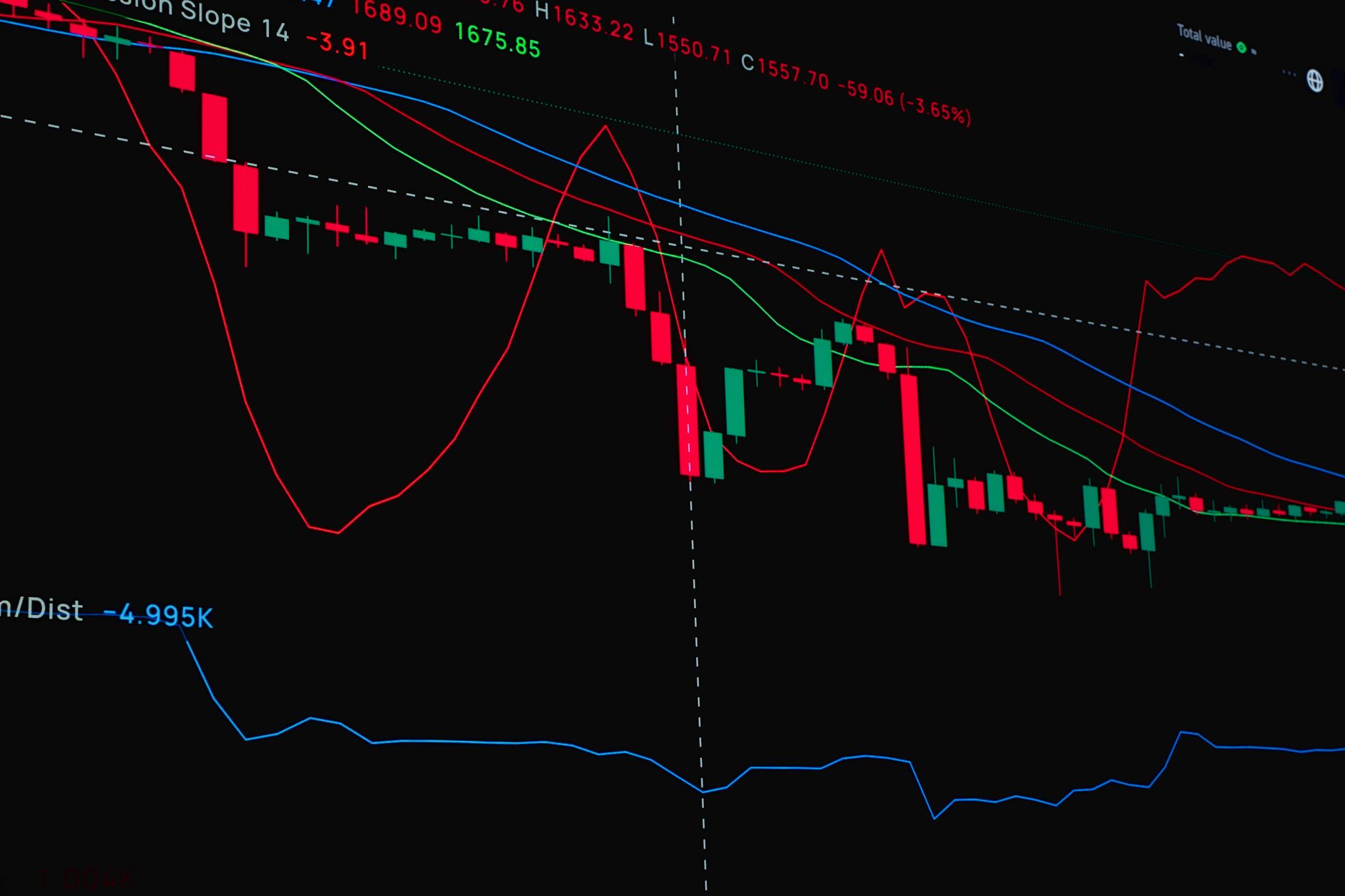
Technical analysis (TA) relies on historical price and volume data to identify patterns and trends. It operates on three assumptions: market action discounts everything, prices move in trends, and history repeats itself. Key technical indicators include:
| Indicator | Purpose | Common Settings |
|---|---|---|
| Moving Averages (MA) | Smooth price data to identify trend direction | 50-day MA, 200-day MA |
| Relative Strength Index (RSI) | Measure overbought/oversold conditions | 14 periods, thresholds at 30 and 70 |
| MACD | Show momentum changes and trend reversals | 12, 26, 9 (EMA) |
| Bollinger Bands | Measure volatility and potential breakout levels | 20-period MA, 2 standard deviations |
| Fibonacci Retracement | Identify support/resistance levels | 38.2%, 50%, 61.8% retracement levels |
Table 1: Common Technical Indicators Explained
Types of Trading Signals
Trading signals are notifications that suggest a specific action—buy, sell, or hold—based on predefined criteria. They can be generated manually by analysts or automatically by algorithms. Common signal types include:
Entry and Exit Signals
- Breakout signals: Triggered when price moves above a resistance level or below a support level, often with increased volume.
- Reversal signals: Based on candlestick patterns (e.g., hammer, engulfing) or indicator divergences (e.g., price makes a lower low but RSI makes a higher low).
- Trend continuation signals: Patterns like flags or pennants that suggest the prevailing trend will resume.
Timeframe Considerations
- Short-term signals (1-minute to 1-hour charts): Suitable for scalpers and day traders.
- Medium-term signals (4-hour to daily charts): Used by swing traders.
- Long-term signals (weekly to monthly charts): Applied by position traders and investors.
Manual vs. Automated Signals
- Manual signals: Human analysts interpret chart patterns and market news. They offer context but can be subjective and delayed.
- Automated signals: Algorithms execute trades based on strict rules. They are fast and emotion-free but may miss nuanced market shifts.
Combining Fundamental and Technical Analysis
No single approach is foolproof. Combining fundamental and technical analysis provides a holistic strategy. For instance, a strong fundamental outlook (e.g., a major protocol upgrade) provides a bullish bias, while technical indicators help time the entry. Example: If Bitcoin’s halving event (fundamental) is approaching, a trader might use the daily chart to wait for a pullback to the 50-day moving average (technical) before entering a long position.
How to Generate and Interpret Trading Signals
Step 1: Identify the Trend
Use moving averages or trendlines to determine the market direction. In an uptrend, focus on buy signals; in a downtrend, consider sell signals or stay on the sidelines.
Step 2: Apply Indicators
Select 2-3 indicators that complement each other. For example:
- Use RSI to gauge momentum.
- Use MACD to confirm trend changes.
- Use Bollinger Bands to spot volatility expansions.
Step 3: Look for Confluence
A signal is stronger when multiple indicators align. For instance, a buy signal where price breaks above a resistance level and RSI moves above 50 and MACD crosses above its signal line is more reliable than one indicator alone.
Step 4: Validate with Volume
Volume confirms the strength of a move. A breakout with low volume may be a false breakout, while high volume indicates genuine interest.
Backtesting and Validation
Backtesting involves applying a trading strategy to historical data to assess its performance. Most trading platforms like TradingView offer built-in backtesting tools. Key metrics to evaluate:
| Metric | Description |
|---|---|
| Win Rate | Percentage of profitable trades |
| Profit Factor | Gross profit / Gross loss |
| Maximum Drawdown | Largest peak-to-trough decline |
| Sharpe Ratio | Risk-adjusted return |
Table 2: Key Backtesting Metrics
Best Practice: Backtest over multiple market cycles (bull, bear, and sideways) to ensure strategy robustness.
Risk Management in Signal-Based Trading
No strategy is 100% accurate. Effective risk management preserves capital. Essential techniques:
- Position Sizing: Never risk more than 1-2% of your account per trade.
- Stop-Loss Orders: Set a predetermined exit point to limit losses. For example, place a stop-loss 5% below the entry price for a long trade.
- Take-Profit Targets: Use Fibonacci extensions or previous support/resistance levels to set realistic profit targets.
- Diversification: Avoid concentrating capital in a single asset or signal provider.
Mini-case: A trader using a 50% win rate strategy with a 1:2 risk-reward ratio (risk $100 to gain $200) can be profitable over time, even with losses.
Tools and Resources for Price Analysis
Trading Platforms
- TradingView: Industry-standard charting with custom indicators and community scripts.
- CoinMarketCap: Comprehensive market data, historical prices, and on-chain metrics.
- Messari: In-depth fundamental research and dashboards.
Signal Providers
- Telegram/Discord groups: Often offer real-time signals but require careful vetting.
- Automated bots: Platforms like 3Commas or Cryptohopper allow algorithmic trading based on signals.
On-Chain Data
- Glassnode: Provides wallet activity, exchange inflows/outflows, and miner metrics.
- Dune Analytics: Customizable dashboards for DeFi and NFT metrics.
Common Mistakes and How to Avoid Them
Over-Optimization
Backtesting strategies to perfection often leads to curve-fitting that fails in live markets. Keep strategies simple and robust.
Ignoring Market Context
A signal that works in a trending market may fail in a range-bound market. Identify the market regime before trading.
Chasing Signals
FOMO (fear of missing out) leads to entering trades late, near major resistance levels. Wait for pullbacks.
Neglecting Fees and Slippage
Trading fees and slippage erode profits, especially for high-frequency strategies. Factor them into your backtest.
The Future of Price Analysis and Trading Signals
Artificial intelligence and machine learning are transforming trading signal generation. AI models can analyze vast datasets—including social media sentiment and on-chain flows—to produce predictive signals. Meanwhile, decentralized signal marketplaces are emerging, where analysts stake tokens to signal quality. As regulatory clarity improves, signal accuracy and reliability may increase, but market manipulation remains a risk.
Conclusion
Price analysis and trading signals are indispensable tools for cryptocurrency traders seeking to make data-driven decisions. By mastering both fundamental and technical analysis, combining them with disciplined risk management, and continuously backtesting and validating strategies, you can significantly improve your trading performance. Remember: no signal is perfect, and the market is unpredictable. Use the resources and techniques outlined in this guide to sharpen your skills, and always stay adaptable in the ever-evolving crypto landscape.
Start your journey today by exploring our beginner-friendly price analysis guide and advanced signal strategies for deeper insights.