The Ultimate Guide to Crypto Trading Strategies & Tools: Master Digital Asset Trading
Cryptocurrency trading has evolved from a niche activity into a sophisticated global marketplace where billions of dollars change hands daily. For investors and traders seeking to navigate this dynamic landscape, having a comprehensive understanding of proven strategies and essential tools is no longer optional—it's fundamental to success. This definitive guide provides everything you need to master digital asset trading, from foundational concepts to advanced techniques used by professional traders.
Successful crypto trading requires more than just buying low and selling high. It demands a systematic approach that combines market analysis, risk management, psychological discipline, and the right technological tools. Whether you're a beginner looking to make your first trade or an experienced trader seeking to refine your approach, this guide will equip you with the knowledge to make data-driven investment decisions in the volatile cryptocurrency markets.
Understanding Cryptocurrency Market Fundamentals
Before implementing any trading strategy, traders must understand the unique characteristics of cryptocurrency markets. Unlike traditional financial markets that operate during specific hours, crypto markets are open 24/7, creating both opportunities and challenges. The decentralized nature of cryptocurrencies means they're influenced by different factors than traditional assets, including technological developments, regulatory news, and community sentiment.
Market capitalization, trading volume, and liquidity are critical metrics every trader should monitor. According to CoinMarketCap data, the total cryptocurrency market capitalization has fluctuated between $800 billion and $3 trillion in recent years, demonstrating both the market's growth potential and its volatility. Understanding these fundamentals helps traders identify genuine opportunities versus market noise.
Key Market Characteristics
Cryptocurrency markets exhibit several distinctive features that traders must account for in their strategies. High volatility presents both profit opportunities and significant risks, with daily price swings of 10-20% not uncommon for many altcoins. The market's relative youth means less historical data is available for analysis compared to traditional markets, though this is rapidly changing as the space matures.
Market correlation is another important consideration. While cryptocurrencies often move independently from traditional markets during normal conditions, they've shown increased correlation during periods of macroeconomic stress. Understanding these relationships helps traders build diversified portfolios that can withstand different market conditions.
Foundational Trading Strategies for Beginners
New traders should begin with straightforward strategies that emphasize risk management and gradual learning. Dollar-cost averaging (DCA) represents one of the most accessible approaches, where traders invest fixed amounts at regular intervals regardless of price. This strategy reduces the impact of volatility and eliminates the need for precise market timing, making it ideal for those building long-term positions.
Buy-and-hold, or "HODLing" in crypto parlance, remains a valid strategy for investors who believe in the long-term potential of specific cryptocurrencies. This approach requires thorough fundamental analysis to identify projects with strong technology, active development teams, and real-world utility. For those implementing this strategy, secure storage solutions like hardware wallets become essential tools for protecting assets over extended periods.
Risk Management Fundamentals
Regardless of strategy, proper risk management separates successful traders from those who experience significant losses. The golden rule—never invest more than you can afford to lose—applies especially to cryptocurrency trading due to its volatility. Position sizing, where traders limit individual trades to a small percentage of their total portfolio (typically 1-5%), helps prevent catastrophic losses from single bad trades.
Stop-loss orders represent another critical risk management tool. These automated orders sell assets when they reach predetermined price levels, limiting potential losses. Professional traders often combine stop-loss orders with take-profit orders to automate both exit points, removing emotional decision-making from the trading process.
Technical Analysis Strategies
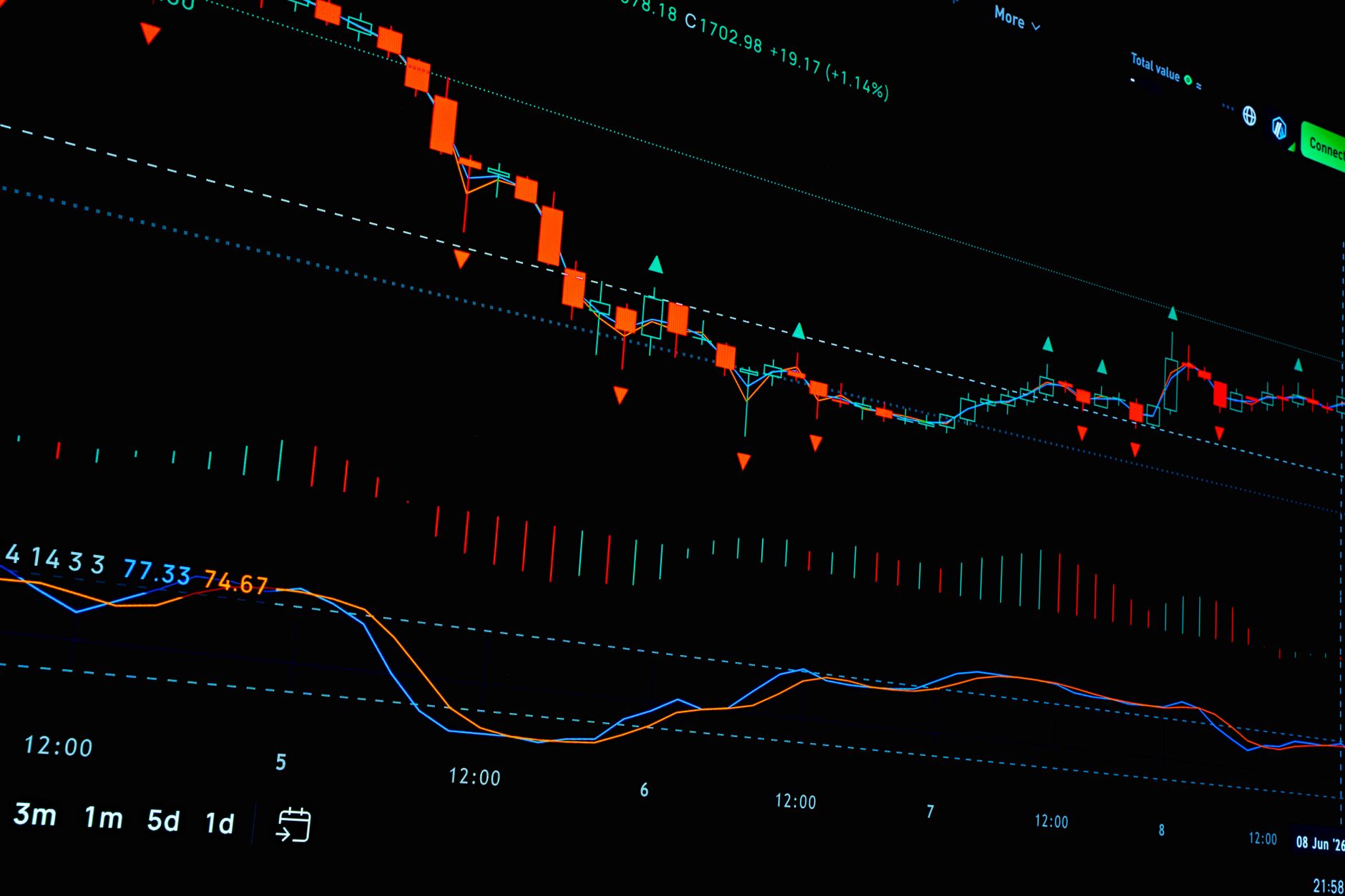
Technical analysis involves studying price charts and trading volumes to identify patterns and predict future price movements. This approach assumes that all available information is reflected in price action and that history tends to repeat itself. Technical traders use various tools and indicators to identify entry and exit points, with some strategies focusing on short-term opportunities while others target longer trends.
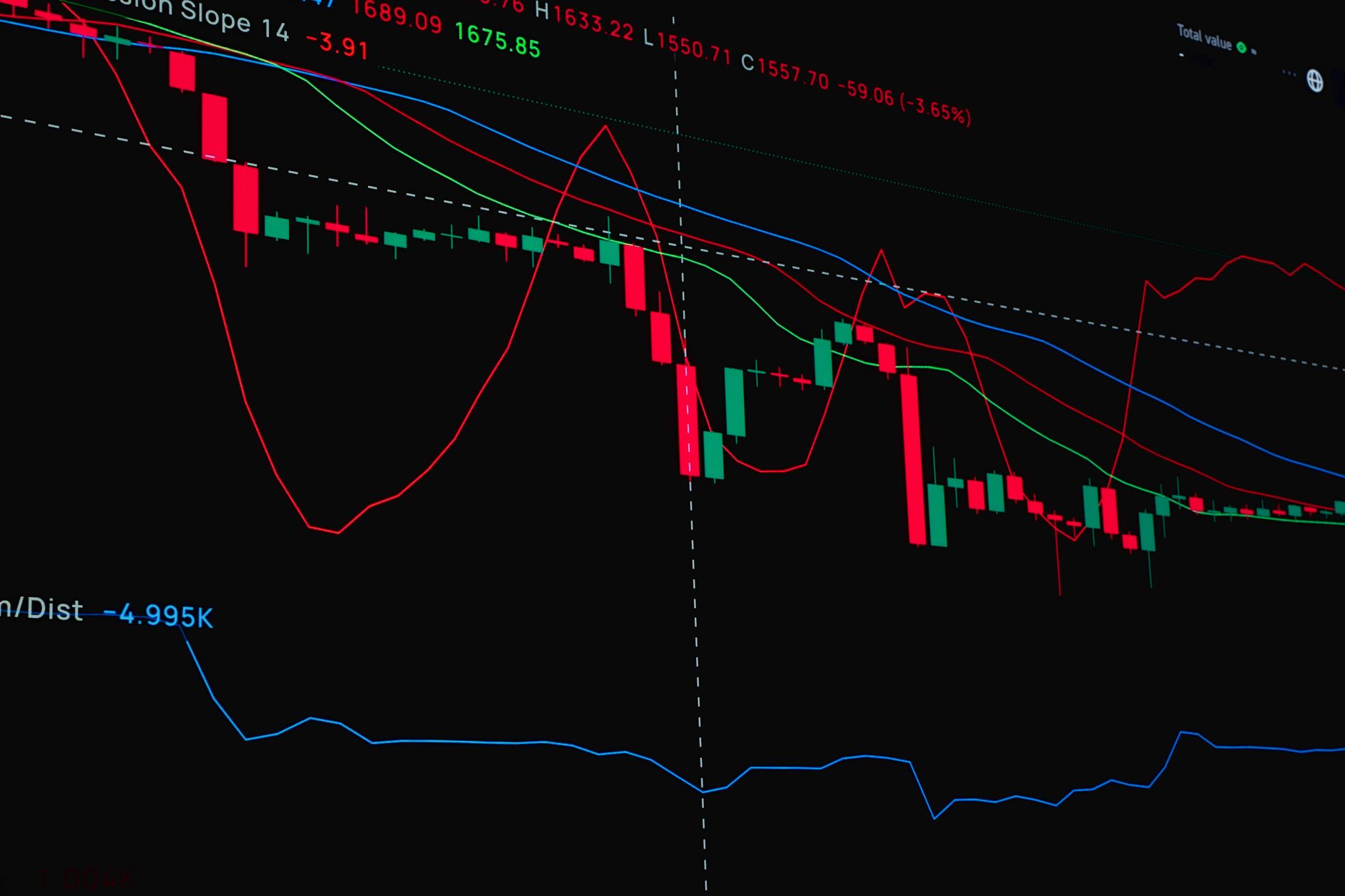
Trend following represents one of the most popular technical approaches. Traders identify established uptrends or downtrends using tools like moving averages and trendlines, then enter positions in the direction of the trend. The 50-day and 200-day moving averages are particularly watched indicators, with crossovers between them often signaling significant trend changes.
Key Technical Indicators
Several technical indicators have proven particularly useful in cryptocurrency markets. The Relative Strength Index (RSI) measures whether an asset is overbought or oversold, helping traders identify potential reversal points. Bollinger Bands show volatility and potential breakout points, while the Moving Average Convergence Divergence (MACD) helps identify trend changes and momentum shifts.
Support and resistance levels represent another fundamental technical concept. These price levels where buying or selling pressure has historically concentrated often become self-fulfilling prophecies as traders watch the same levels. Breakouts above resistance or below support frequently lead to significant price movements as new trends establish themselves.
Fundamental Analysis Approaches
While technical analysis focuses on price action, fundamental analysis examines the underlying value and potential of cryptocurrency projects. This approach considers factors like technology, development activity, team credentials, adoption metrics, and competitive positioning. Fundamental traders typically take longer-term positions based on their assessment of a project's intrinsic value versus its current market price.
On-chain analytics have emerged as a powerful fundamental analysis tool specific to cryptocurrency markets. By examining blockchain data, traders can gain insights into network health, user adoption, and investor behavior. Metrics like active addresses, transaction volumes, and network hash rates provide objective data about a cryptocurrency's actual usage and security.
Evaluating Cryptocurrency Projects
Thorough project evaluation involves multiple dimensions. Technology assessment examines the underlying blockchain's scalability, security, and functionality. Development activity, measured through GitHub commits and contributor counts, indicates whether a project is actively improving. Tokenomics analysis evaluates how tokens are distributed, their utility within the ecosystem, and inflationary or deflationary mechanisms.
Market positioning and competitive analysis complete the fundamental picture. Traders should understand how a cryptocurrency differentiates itself from competitors and whether it addresses genuine market needs. Regulatory considerations have become increasingly important as governments worldwide develop frameworks for digital assets.
Advanced Trading Strategies
Experienced traders often employ more sophisticated strategies that require greater expertise and risk tolerance. Swing trading involves holding positions for several days to weeks, capturing intermediate price movements within larger trends. This approach requires balancing technical and fundamental analysis while managing overnight and weekend risk in 24/7 markets.
Arbitrage trading exploits price differences between different exchanges or markets. While pure arbitrage opportunities have diminished as markets become more efficient, statistical arbitrage strategies that identify temporary pricing anomalies still offer opportunities for well-equipped traders. These strategies typically require automated trading systems and access to multiple exchanges.
Algorithmic and Quantitative Approaches
Algorithmic trading uses computer programs to execute trades based on predefined criteria, removing emotional decision-making and enabling rapid response to market conditions. These systems can monitor multiple markets simultaneously and execute complex strategies that would be impossible manually. Common algorithmic approaches include market making, statistical arbitrage, and trend following.
Quantitative trading takes algorithmic approaches further by developing sophisticated mathematical models based on historical data. These models identify statistical relationships and patterns that might not be visible to human traders. While requiring significant technical expertise, quantitative approaches have become increasingly accessible through platforms that offer pre-built algorithms and backtesting capabilities.
Essential Trading Tools and Platforms
Choosing the right trading platform significantly impacts trading success. Key considerations include security features, trading fees, available assets, user interface, and advanced trading features. Major platforms like Binance, Coinbase Pro, and Kraken offer robust trading environments with varying strengths in different areas.
Security should always be the primary consideration when selecting a trading platform. Features like two-factor authentication, cold storage for funds, and insurance coverage protect against both technical failures and malicious attacks. Regulatory compliance provides additional assurance, though requirements vary significantly by jurisdiction.
Comparison of Major Trading Platforms
| Platform | Key Features | Trading Fees | Security Measures | Best For |
|---|---|---|---|---|
| Binance | Extensive altcoin selection, advanced charting | 0.1% spot trading | SAFU fund, 2FA, cold storage | Experienced traders, altcoin traders |
| Coinbase Pro | User-friendly interface, strong regulatory compliance | 0.5% taker fee | Insurance, cold storage, regulatory licenses | Beginners, institutional investors |
| Kraken | Strong security reputation, fiat pairs | 0.16-0.26% maker fees | Cold storage, proof of reserves, regulatory compliance | Security-focused traders |
| Crypto.com | Mobile-first design, crypto rewards | 0.4% for basic tier | Cold storage, insurance, regulatory licenses | Mobile traders, debit card users |
Portfolio Management and Diversification
Effective portfolio management balances potential returns with acceptable risk levels. Diversification across different cryptocurrencies, sectors, and strategies reduces overall portfolio volatility. The traditional 60/40 stock/bond allocation doesn't apply directly to cryptocurrency portfolios, but the principle of spreading risk remains valid.
Sector diversification involves allocating across different cryptocurrency categories like smart contract platforms, decentralized finance (DeFi) tokens, privacy coins, and infrastructure projects. Each category responds differently to market developments, creating a more resilient portfolio. Our guide to building a balanced crypto portfolio provides detailed allocation frameworks for different risk profiles.
Risk-Adjusted Position Sizing
Advanced portfolio management employs risk-adjusted position sizing rather than equal dollar allocations. The Kelly Criterion represents one mathematical approach that determines optimal position sizes based on win probability and risk/reward ratios. While the pure Kelly formula can be aggressive for volatile markets, fractional Kelly approaches (using 25-50% of the calculated size) provide more conservative position sizing that better suits cryptocurrency's volatility.
Rebalancing strategies maintain target allocations as prices change. Periodic rebalancing (monthly or quarterly) or threshold-based rebalancing (when allocations deviate by a set percentage) both work effectively. Rebalancing naturally implements the "buy low, sell high" principle by trimming positions that have outperformed and adding to those that have underperformed.
Psychology and Emotional Discipline
Trading psychology often separates consistently profitable traders from those who struggle. The cryptocurrency market's volatility and 24/7 nature create psychological challenges that can lead to impulsive decisions. Developing emotional discipline requires recognizing common psychological traps and implementing systems to mitigate their impact.
Confirmation bias, where traders seek information supporting their existing views while ignoring contradictory evidence, represents a particularly dangerous trap in echo chamber-prone crypto communities. Overcoming this requires actively seeking opposing viewpoints and maintaining trading journals that document both successful and unsuccessful decisions objectively.
Common Psychological Pitfalls
Fear of missing out (FOMO) drives many poor trading decisions, particularly during rapid price increases. Establishing predefined entry criteria before positions move helps avoid FOMO-driven trades. Conversely, fear, uncertainty, and doubt (FUD) can cause premature exits during market downturns. Referring to original investment theses and technical levels rather than emotional reactions helps maintain discipline during volatile periods.
Overconfidence following successful trades represents another common pitfall. This can lead to increased position sizes, reduced risk management, and eventual significant losses. Maintaining consistent position sizing regardless of recent performance helps prevent overconfidence from undermining long-term results.
Security Best Practices
Security represents the non-negotiable foundation of successful cryptocurrency trading. Unlike traditional finance where institutions provide security, cryptocurrency traders bear primary responsibility for protecting their assets. Implementing comprehensive security practices protects against both external threats and personal errors.
Hardware wallets like Ledger and Trezor provide the most secure storage for cryptocurrencies not actively traded. These devices keep private keys offline while still enabling transactions when connected. For trading funds, exchange security features like two-factor authentication, withdrawal whitelists, and API key restrictions provide essential protection layers.
Comprehensive Security Framework
A layered security approach provides defense in depth. Strong, unique passwords for each exchange account represent the first layer. Password managers help create and store these securely. Two-factor authentication using authenticator apps rather than SMS provides the second layer, protecting against phishing and SIM-swapping attacks.
Cold storage for long-term holdings, exchange insurance where available, and careful management of API keys complete the security framework. Regular security audits, including checking connected applications and reviewing transaction histories, help identify potential issues before they result in losses. Our complete guide to crypto security provides detailed implementation guidance for each layer.
Regulatory Considerations and Tax Implications
Cryptocurrency regulation continues evolving worldwide, with significant implications for traders. Understanding jurisdictional requirements helps ensure compliance and avoid legal issues. Tax treatment varies considerably between countries, with some treating cryptocurrencies as property, others as currency, and others creating specific digital asset categories.
In the United States, the IRS treats cryptocurrencies as property for tax purposes, requiring capital gains reporting on all trades. Many other countries have similar requirements, though specific rates and reporting thresholds vary. Professional traders may qualify for different tax treatment in some jurisdictions, making consultation with tax professionals specializing in cryptocurrency essential.
International Regulatory Landscape
The regulatory environment ranges from outright bans in a few countries to comprehensive frameworks in others. The European Union's Markets in Crypto-Assets (MiCA) regulation creates harmonized rules across member states, while the United States continues developing its approach through multiple agencies. Asia presents a mixed picture, with jurisdictions like Singapore and Japan establishing clear regulations while others remain uncertain.
Compliance requirements extend beyond taxes to include anti-money laundering (AML) and know-your-customer (KYC) regulations. Most reputable exchanges implement these requirements, but traders should understand their implications for privacy and operational flexibility. Staying informed about regulatory developments helps traders anticipate changes that might affect their strategies or preferred assets.
Building Your Trading System
Successful traders don't rely on isolated strategies but develop comprehensive trading systems that integrate analysis, execution, and risk management. A complete trading system includes clear entry and exit criteria, position sizing rules, risk parameters, and performance tracking. Documenting this system creates consistency and enables continuous improvement through backtesting and review.
The trading plan represents the foundation of any trading system. This written document should specify trading goals, risk tolerance, preferred strategies, and specific rules for every aspect of the trading process. Referring to the plan during both successful and challenging periods helps maintain discipline and avoid emotional decision-making.
System Components and Integration
A robust trading system integrates several key components. Market analysis frameworks identify opportunities, while trade management rules govern position sizing, entry timing, and exit strategies. Risk management protocols limit potential losses, and performance tracking enables continuous improvement. Technology tools execute and monitor trades according to system rules.
Backtesting represents a critical step in system development. By testing strategies against historical data, traders can identify potential weaknesses and optimize parameters before risking real capital. While past performance doesn't guarantee future results, thorough backtesting provides valuable insights into how strategies might perform under different market conditions.
Conclusion: Mastering Crypto Trading as a Discipline
Cryptocurrency trading offers significant opportunities but demands respect for its complexity and risks. Mastering this discipline requires combining strategic knowledge with practical tools, psychological discipline with technical expertise, and opportunity-seeking with rigorous risk management. The most successful traders approach cryptocurrency not as gambling but as a skill-based activity that rewards preparation, patience, and continuous learning.
This comprehensive guide has covered the essential strategies, tools, and principles needed to navigate cryptocurrency markets successfully. From foundational approaches suitable for beginners to advanced techniques used by professionals, these concepts provide a framework for developing your personalized trading approach. Remember that consistent profitability comes not from chasing every opportunity but from executing a well-defined strategy with discipline over time.
The cryptocurrency landscape continues evolving rapidly, with new assets, technologies, and regulations constantly emerging. Successful traders maintain their edge through continuous education, adapting their approaches as markets change while sticking to their core principles. By combining the strategies outlined here with your unique insights and risk tolerance, you can build a sustainable approach to cryptocurrency trading that serves your financial goals while managing the inherent risks of this dynamic market.