Trading Tools & Platforms: The Complete Guide for Crypto Investors
In the rapidly evolving world of cryptocurrency, success often hinges not just on market insight, but on the quality and sophistication of the tools at your disposal. Trading tools and platforms are the essential infrastructure that transforms raw market data into actionable intelligence and executes your strategic vision. This comprehensive guide serves as your definitive resource, dissecting every critical component—from fundamental charting software and exchange platforms to advanced algorithmic trading systems and risk management suites. Whether you're a novice investor taking your first steps or a seasoned trader optimizing a complex portfolio, understanding this ecosystem is paramount for making data-driven decisions in a volatile, 24/7 market.
Understanding the Core Ecosystem
At its foundation, the trading ecosystem consists of two interdependent pillars: the tools for analysis and the platforms for execution. Trading tools are the software applications and services used to analyze markets, identify opportunities, and manage risk. These include charting packages, technical indicators, news aggregators, and portfolio trackers. Trading platforms, conversely, are the gateways to the markets themselves—the exchanges, brokers, and interfaces where buy and sell orders are placed. A robust trading strategy requires seamless integration between insightful analysis tools and a reliable, secure execution platform. The modern trader must navigate a landscape filled with centralized exchanges (CEXs) like Binance and Coinbase, decentralized exchanges (DEXs) like Uniswap, and a myriad of ancillary services for derivatives, lending, and staking.
Charting and Technical Analysis Software
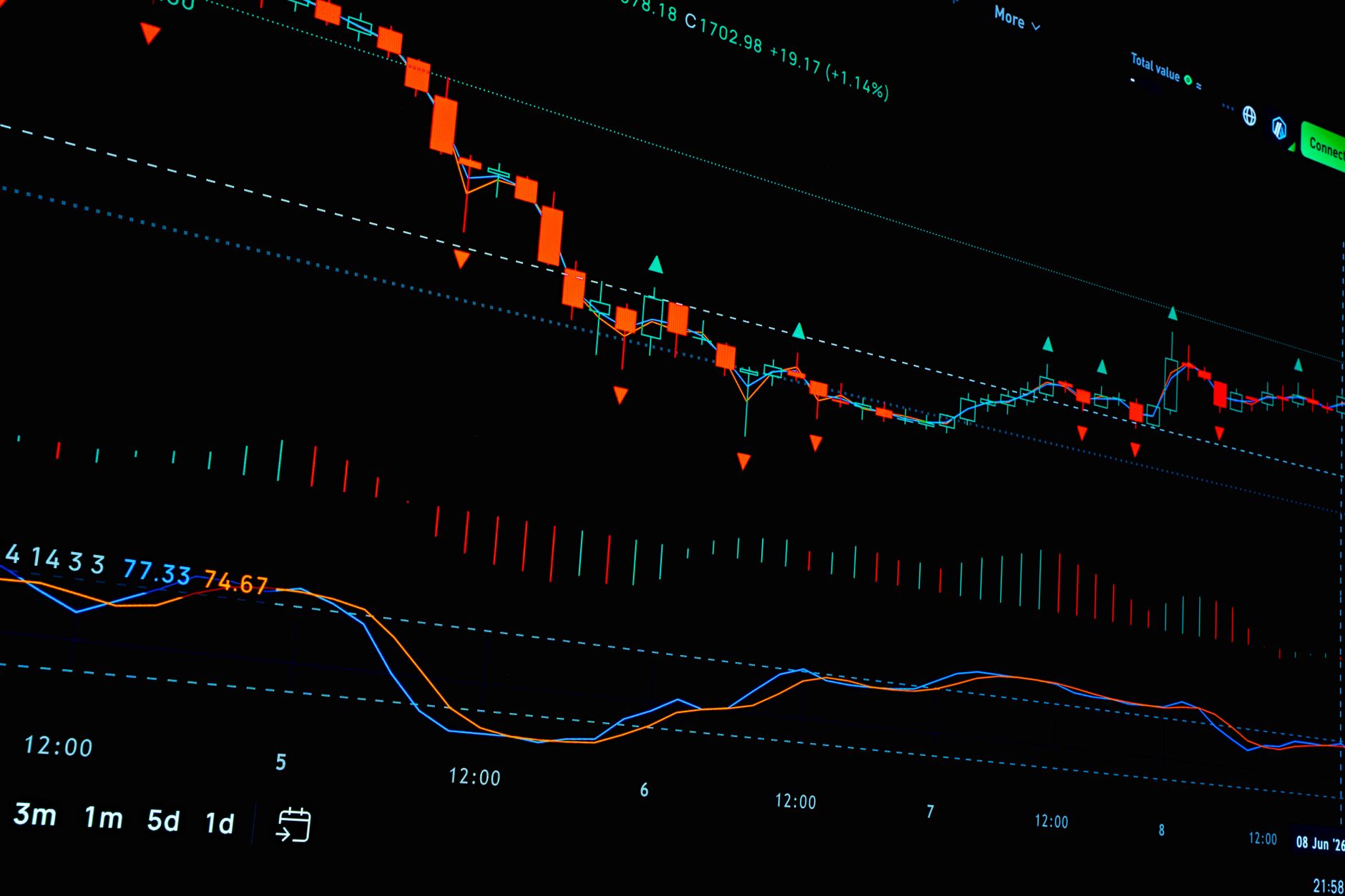
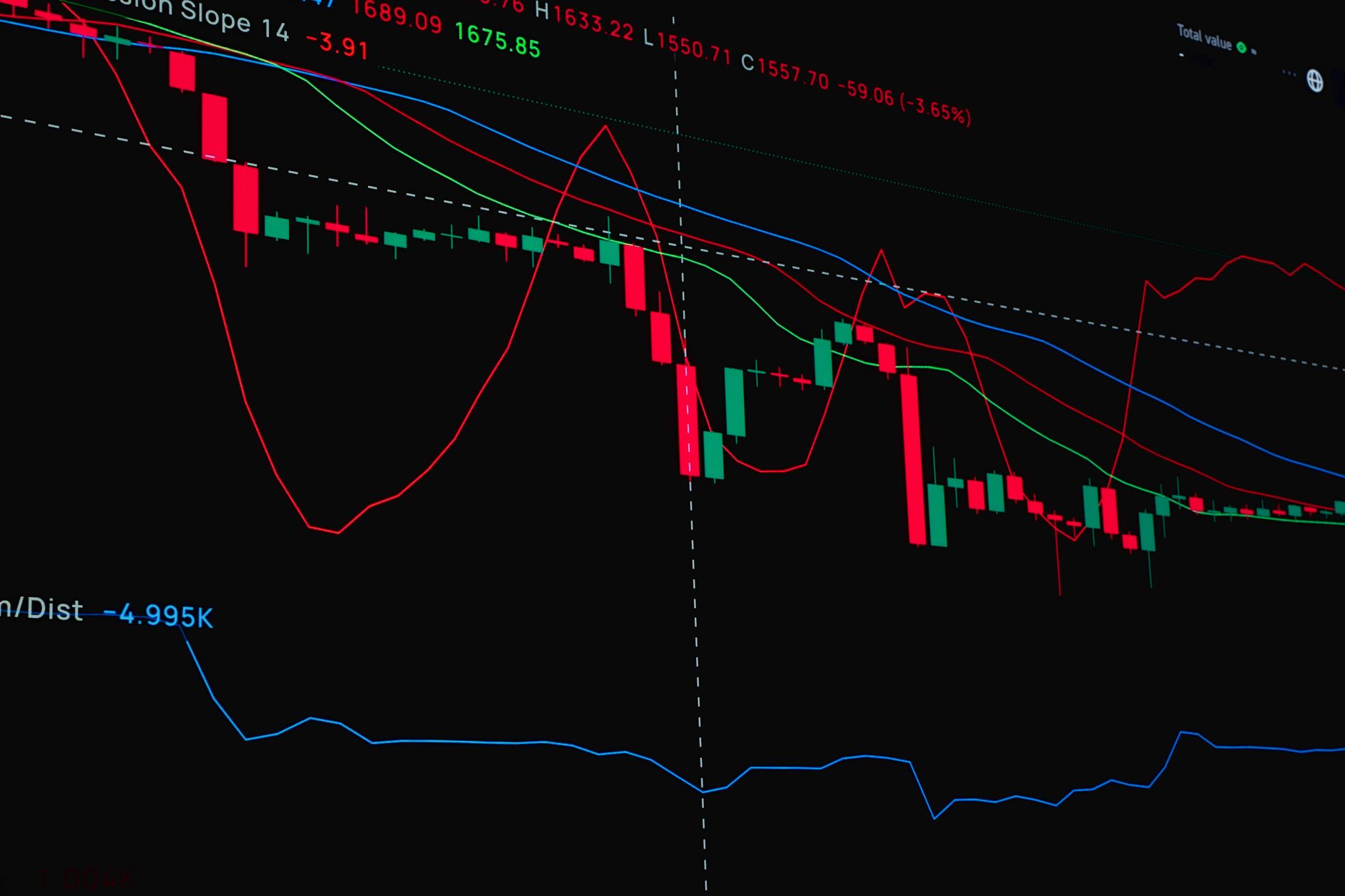
Technical analysis is the cornerstone of most trading strategies, relying on the study of past market data, primarily price and volume, to forecast future movements. Powerful charting software is non-negotiable. Leading platforms like TradingView have become industry standards, offering extensive libraries of candlestick charts, drawing tools, and community-shared indicators. Beyond basic line charts, mastery involves understanding key chart types: Heikin-Ashi for smoothing price action, Renko for filtering out noise, and Point & Figure for identifying pure price movements without time. The real power lies in layering technical indicators. Oscillators like the Relative Strength Index (RSI) and Stochastic help identify overbought or oversold conditions, while trend-following tools like Moving Average Convergence Divergence (MACD) and various moving averages (Simple, Exponential) confirm market direction. For deeper insights, explore our guide on Advanced Technical Analysis Strategies.
Example: A trader noticing Bitcoin consolidating in a range might use Bollinger Bands on a 4-hour chart to identify periods of low volatility (band contraction), anticipating a significant price breakout. They could then use the RSI on a 1-hour chart to time their entry once the breakout begins but before the asset becomes overbought.
Fundamental and On-Chain Analysis Tools
While technical analysis focuses on price charts, fundamental and on-chain analysis examines the intrinsic health and activity of a cryptocurrency network. This is especially critical in the crypto space, where project viability, developer activity, and network usage are key value drivers. Fundamental analysis tools aggregate data on project whitepapers, team backgrounds, tokenomics, and roadmap progress. On-chain analysis tools, such as Glassnode or IntoTheBlock, provide a transparent view of blockchain activity. Key metrics include:
- Network Value to Transactions (NVT) Ratio: Often called the "PE ratio for Bitcoin," signaling whether the network is overvalued relative to its transaction volume.
- Exchange Net Flow: Tracks movements of assets into and out of exchange wallets, with large inflows often preceding sell pressure.
- Active Addresses: Measures unique participating addresses, indicating network adoption and usage.
- Miner's Revenue & Hash Rate: For Proof-of-Work coins, these signal network security and miner economics.
Integrating these tools provides a holistic view, helping you distinguish between assets with strong fundamentals and mere speculative hype. Stay informed with our breaking news and analysis on major protocol upgrades and governance events.
Cryptocurrency Exchanges and Brokerage Platforms
Choosing where to trade is one of the most consequential decisions. The landscape divides into Centralized Exchanges (CEXs), Decentralized Exchanges (DEXs), and brokerage services.
Centralized Exchanges (CEXs) like Binance, Coinbase, and Kraken act as intermediaries. They offer high liquidity, advanced order types (limit, stop-loss, OCO), fiat on-ramps, and often a wider range of trading pairs and services like staking or lending. The trade-off is custody: you trust the exchange with your assets, introducing counterparty risk.
Decentralized Exchanges (DEXs) like Uniswap, PancakeSwap, and dYdX operate on smart contracts. They facilitate peer-to-peer trading directly from your self-custody wallet (e.g., MetaMask). This offers greater privacy and security from exchange hacks but can suffer from lower liquidity for less popular tokens, slippage, and often a steeper learning curve.
Brokerages like Robinhood or eToro simplify buying crypto but often don't allow you to withdraw the assets to a private wallet, limiting their utility for active traders.
| Platform Type | Key Advantage | Primary Drawback | Best For |
|---|---|---|---|
| Centralized Exchange (CEX) | High Liquidity, Advanced Features | Counterparty/Custodial Risk | High-volume traders, beginners using fiat |
| Decentralized Exchange (DEX) | Self-Custody, Permissionless | Liquidity Slippage, Complexity | Trading altcoins, DeFi participants |
| Brokerage | Simple Fiat On-Ramp | Lack of Wallet Withdrawals | Casual, first-time investors |
Security is paramount. Always enable Two-Factor Authentication (2FA), use strong unique passwords, and beware of phishing attempts. For a detailed security deep dive, read our guide on Securing Your Crypto Assets.
Algorithmic and Automated Trading Systems
Algorithmic trading uses computer programs to execute orders based on predefined criteria, removing emotion and enabling 24/7 market participation. This ranges from simple bots that execute a basic moving average crossover strategy to complex quantitative models. Platforms like 3Commas, Cryptohopper, and dedicated exchange APIs allow traders to automate strategies. Common algorithmic approaches include:
- Arbitrage: Exploiting minute price differences for the same asset across different exchanges.
- Market Making: Placing simultaneous buy and sell limit orders to profit from the bid-ask spread.
- Trend Following: Automatically entering and exiting positions based on technical indicator signals.
While powerful, algorithmic trading requires rigorous backtesting against historical data, constant monitoring for unexpected market conditions (e.g., flash crashes), and an understanding of API rate limits and potential slippage. It's a tool for efficiency and scale, not a guaranteed profit generator.
Risk Management and Portfolio Tracking Tools
Volatility is a defining feature of crypto markets, making disciplined risk management the single most important factor for long-term survival and success. Professional-grade tools are essential for this. Portfolio trackers like CoinStats, Delta, or Blockfolio aggregate holdings across multiple wallets and exchanges, providing a real-time view of your net worth, asset allocation, and profit/loss. This unified view is critical for making balanced decisions.
Risk management software goes further, helping you implement core principles:
- Position Sizing: Tools can calculate the appropriate trade size based on your account balance and a predefined risk percentage (e.g., never risk more than 1-2% of your capital on a single trade).
- Stop-Loss and Take-Profit Automation: Setting these orders automatically at the trade's inception locks in profits and limits losses.
- Correlation Analysis: Understanding how different assets in your portfolio move relative to each other helps avoid over-concentration in correlated assets.
A 2022 study by a major trading psychology firm found that traders who used dedicated portfolio and risk management software had a 34% higher rate of account survival over a 12-month period in volatile markets compared to those who did not.
Market Data Feeds and News Aggregators
In crypto, news travels at the speed of light, and prices can react in seconds. Access to real-time, reliable market data and news is a competitive edge. This includes:
- Real-Time Price & Order Book Data: Essential for assessing liquidity and market depth. Many advanced traders use direct WebSocket feeds from exchanges for the lowest latency.
- News Aggregators: Platforms like CryptoPanic or The TIE filter news from hundreds of sources, often tagging sentiment (positive/negative) and impact for specific coins.
- Social Sentiment Analysis: Tools that scan Twitter, Telegram, and Reddit to gauge crowd sentiment, which can be a powerful contrarian indicator at extremes.
The key is to filter signal from noise. Relying on a single Twitter influencer is risky; a robust setup cross-references breaking news from reputable journalists, official project announcements, and on-chain data anomalies. For curated, authoritative analysis, rely on platforms like The Crypto Dash for in-depth market reports.
Derivatives and Advanced Financial Instruments
Beyond simple spot trading (buying and selling the actual asset), crypto markets offer sophisticated derivatives products that allow for advanced strategies like hedging and leveraged speculation.
- Perpetual Swaps (Perps): The most common crypto derivative. These are futures contracts with no expiry date, allowing traders to hold leveraged long or short positions indefinitely, funding rates balancing the market.
- Futures & Options: Traditional expiry-based contracts. Options provide the right, but not the obligation, to buy (call) or sell (put) an asset at a set price, useful for hedging a portfolio.
- Leveraged Tokens: Pre-packaged products that offer leveraged exposure without the complexity of managing a margin position, though they come with decay over time.
These instruments are powerful but exponentially increase risk. Leverage can magnify losses just as easily as gains. They should only be used by experienced traders with a firm grasp of concepts like liquidation prices, margin requirements, and the Greeks (for options).
Security, Wallets, and Self-Custody Solutions
Your trading tools are only as secure as the foundation they're built on. The mantra "not your keys, not your coins" underscores the importance of self-custody. For funds not actively being traded on an exchange, a secure wallet is mandatory.
- Hardware Wallets (Cold Storage): Devices like Ledger or Trezor store private keys offline, providing the highest security against online hacks. Essential for long-term holdings.
- Software Wallets (Hot Wallets): Applications like MetaMask, Trust Wallet, or Phantom. More convenient for frequent interaction with DeFi protocols and DEXs but more vulnerable than hardware wallets.
Security practices must extend to your entire workflow: using a dedicated, clean device for trading; avoiding public Wi-Fi; verifying contract addresses before interacting; and understanding the security model of any smart contract or platform you use. The integration between secure wallets and trading platforms (via WalletConnect or similar) is a critical link in the secure trader's chain.
The Future: AI, Social Trading, and Interoperability
The frontier of trading tools is being shaped by artificial intelligence and increased interoperability. AI-powered platforms are emerging that can scan news, social media, and on-chain data to generate predictive insights or even autonomously manage a portion of a portfolio based on learned risk preferences. Social trading platforms, which allow users to copy the trades of proven successful traders, are gaining traction, democratizing access to sophisticated strategies.
Perhaps the most significant trend is interoperability. The future lies in seamless "money legos" where assets and data flow freely between different blockchains. Trading tools will need to aggregate liquidity and data from Ethereum, Solana, Avalanche, and other Layer 1 and 2 networks into a single, coherent interface. Traders who master cross-chain arbitrage and liquidity provision will find new opportunities. Keeping pace with these innovations is crucial; follow our analysis on Emerging Trends in DeFi and Web3.
Building Your Personalized Trading Stack
There is no one-size-fits-all suite of tools. Your stack should reflect your strategy, experience level, and capital. A beginner's stack might consist of a user-friendly CEX like Coinbase, the TradingView charting platform, and a simple portfolio tracker. A professional's stack could involve direct exchange API access for algorithmic trading, a subscription to multiple on-chain analytics platforms, a DeFi wallet like MetaMask for DEX interaction, and a hardware wallet for cold storage.
The process is iterative. Start with the core essentials—a secure platform and a charting tool. As you develop your strategy, identify your weaknesses: Is your risk management ad-hoc? Add a portfolio tracker with risk analytics. Are you missing market-moving news? Integrate a news aggregator. Continuously evaluate and upgrade your tools, just as you would your trading strategy.
Conclusion: Mastering the Tools to Master the Market
Navigating the cryptocurrency markets without a robust set of trading tools and a deep understanding of platforms is akin to sailing a stormy sea without instruments. This guide has provided the blueprint for that essential toolkit. From the analytical power of technical and on-chain software to the executional criticality of choosing the right exchange, and from the discipline enforced by risk management systems to the frontier of AI and interoperability, each component plays a vital role. The consistent thread is that these tools do not replace judgment, knowledge, or a sound strategy; they augment and execute them with precision and efficiency. By carefully selecting, integrating, and mastering the tools outlined here, you equip yourself to transform market volatility from a threat into an opportunity, making informed, data-driven decisions that are the hallmark of a successful modern crypto investor. The market waits for no one—arm yourself accordingly.