Crypto Trading Strategies: Technical Analysis Guide for Day Traders
Introduction
In the fast-paced world of cryptocurrency, day trading offers the potential for significant gains, but it also carries substantial risk. Successful day traders rely on a combination of discipline, risk management, and technical analysis. This guide provides a practical technical analysis guide for day trading cryptocurrency, focusing on key indicators and real-world applications. For a broader context on market trends, refer to our Cryptocurrency Market News & Analysis: The Complete Guide for Investors.
Understanding Technical Analysis for Day Trading
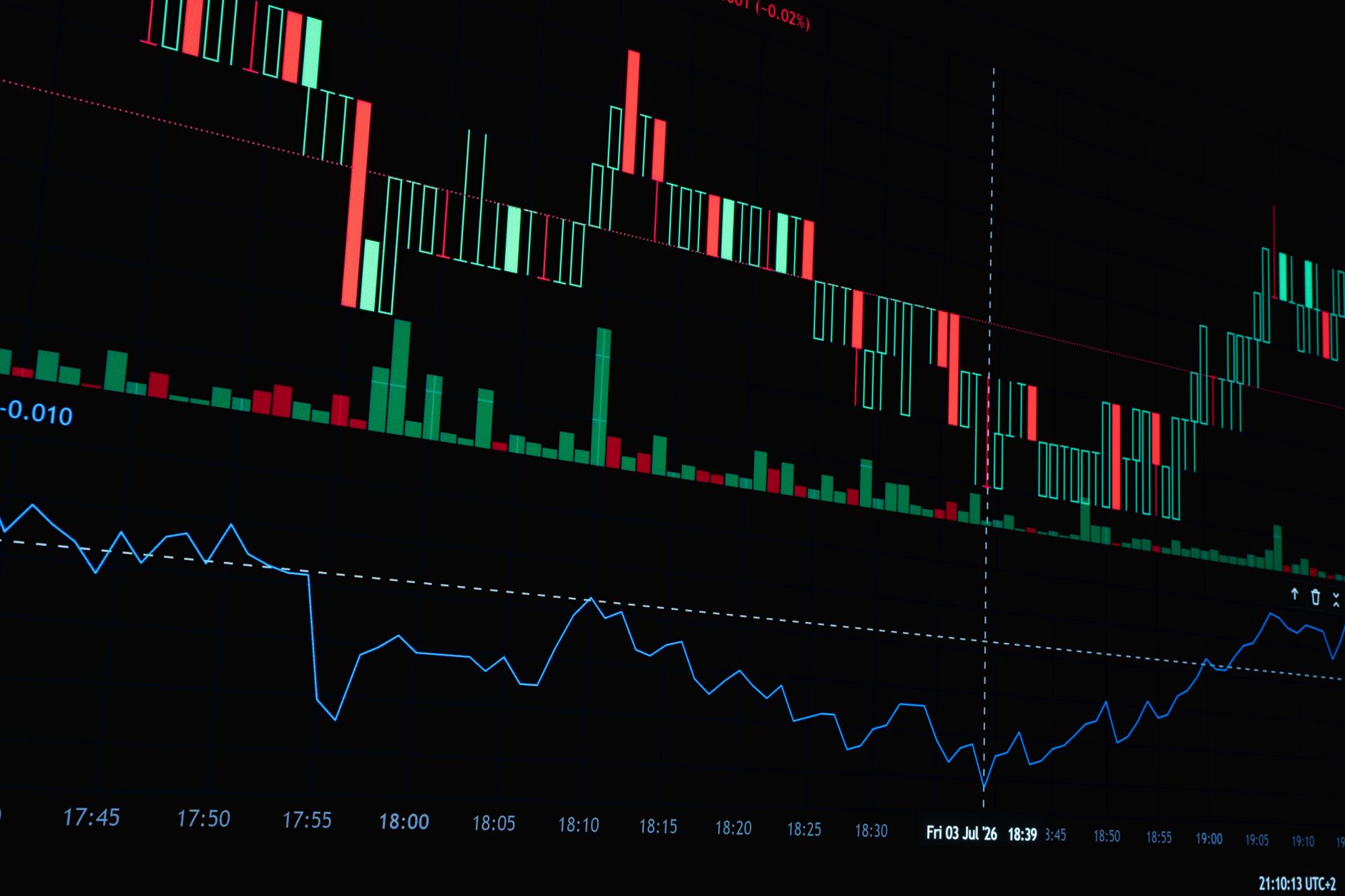
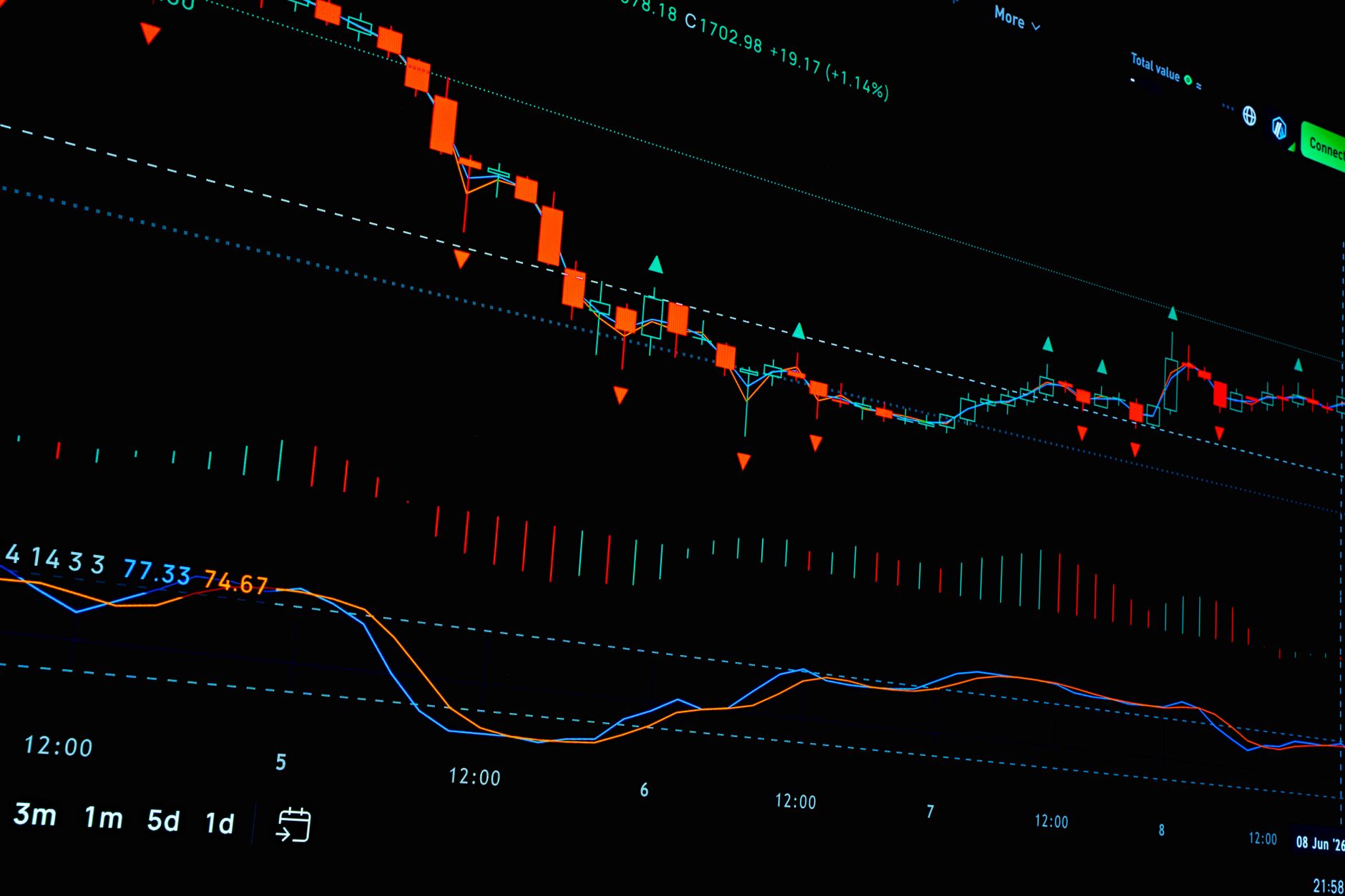
Technical analysis is the study of historical price and volume data to forecast future price movements. Unlike fundamental analysis, which evaluates a project's intrinsic value, technical analysis focuses on market psychology and chart patterns. For day traders, technical analysis is indispensable because it helps identify short-term opportunities in volatile markets.
Key Principles
- Price Discounts Everything: All known information is already reflected in the price.
- Price Moves in Trends: Prices trend in one direction until a reversal occurs.
- History Tends to Repeat Itself: Market psychology leads to recurring patterns.
Essential Indicators for Day Trading Cryptocurrency
Moving Averages (MAs)
Moving averages smooth out price data to identify trends. The two most common are:
- Simple Moving Average (SMA): The average price over a specific period.
- Exponential Moving Average (EMA): Gives more weight to recent prices, making it more responsive.
Example: A 9 EMA crossing above a 21 EMA (golden cross) signals a bullish trend, while a cross below (death cross) signals bearish momentum. Day traders often use these crossovers on 15-minute or 1-hour charts for entry and exit points.
Relative Strength Index (RSI)
RSI measures the speed and change of price movements on a scale of 0 to 100. Traditionally, RSI above 70 indicates overbought conditions, and below 30 indicates oversold. In crypto day trading, values can be adjusted to 80/20 for tighter ranges.
Case Study: Bitcoin’s 15-minute chart on March 12, 2024, showed RSI dropping below 20 during a panic sell-off. Using the oversold signal, a trader could have entered a long position at $68,200 and exited when RSI reached 70 a few hours later, capturing a 4% gain.
Bollinger Bands
Bollinger Bands consist of a middle band (20-period SMA) and two outer bands set at two standard deviations. Price touching the upper band suggests overbought conditions; touching the lower band suggests oversold. A squeeze (bands narrowing) often precedes a volatile breakout.
Volume Profile
Volume Profile shows trading activity at specific price levels. High-volume nodes indicate areas of support or resistance. Day traders use this to identify where the most significant buying or selling occurred, aiding in setting stop-losses and take-profits.
Practical Day Trading Strategies Using Technical Indicators
Scalping with EMA Crossovers
Scalping involves making many small profits on minute price changes. Use a 5-minute chart with 9 and 21 EMAs. Enter long when the 9 EMA crosses above the 21 EMA with high volume. Set a tight stop-loss below the recent swing low and a take-profit at 1.5x the stop distance.
Breakout Trading with Bollinger Bands and Volume
Identify a Bollinger Band squeeze. Wait for a candle to close outside the bands with volume at least 1.5× the 20-period average. Enter in the direction of the breakout. For example, if price breaks above the upper band, go long. Place a stop-loss at the midpoint of the bands.
RSI Divergence for Reversals
Divergence occurs when price makes a new high but RSI makes a lower high (bearish divergence) or price makes a new low but RSI makes a higher low (bullish divergence). This indicates weakening momentum. On a 1-hour chart, a bullish divergence on Ethereum could signal a trend reversal, offering an entry before the price moves up.
Risk Management for Day Traders
No strategy works without proper risk management. Use the 1% rule: never risk more than 1% of your trading capital on a single trade. Set stop-losses based on technical levels (e.g., below a support or moving average). Also, consider position sizing: for a $10,000 account, risk $100 per trade. If your stop is $0.50 away, you can buy 200 units.
Combining Technical Analysis with Market News
While charts provide entry and exit signals, news events can cause sudden volatility. For example, a positive regulatory announcement can trigger a breakout that technicals may not have predicted. Stay informed with our Bitcoin Price Prediction 2024: Expert Analysis and Market Outlook and Ethereum 2.0 Updates: Latest Developments and Staking Opportunities to align your trades with the broader narrative.
Common Mistakes and How to Avoid Them
- Overtrading: Entering too many trades reduces focus and increases fees. Stick to high-probability setups.
- Ignoring Volume: Price movements without volume are unreliable. Always check volume confirmation.
- Chasing Pumps: Buying after a large spike often leads to losses. Wait for a pullback to a support level.
- Not Adapting to Market Conditions: Ranging markets favor oscillators like RSI; trending markets favor moving averages.
Key Takeaways
- Technical analysis is crucial for day trading cryptocurrencies, enabling traders to identify short-term trends and entry/exit points.
- Key indicators include moving averages, RSI, Bollinger Bands, and volume profile.
- Combine multiple indicators for confirmation – e.g., a golden cross with RSI above 50 and above-average volume.
- Always pair technical setups with strict risk management and stay updated on market news.
- Practice on a demo account before trading live to refine your strategy.
For a comprehensive understanding of the crypto ecosystem, refer back to our Cryptocurrency Market News & Analysis: The Complete Guide for Investors.