How to Read Crypto Charts: Candlestick Patterns Explained for Beginners
In the volatile world of cryptocurrency trading, the ability to read and interpret price charts is not just a skill—it's a fundamental necessity for survival and success. While fundamental analysis examines the underlying value of digital assets, technical analysis provides the tools to navigate market psychology and price action. At the heart of technical analysis lies candlestick charting, a centuries-old method refined in 18th-century Japan for rice trading and now the global standard for financial markets. For cryptocurrency investors and traders, mastering candlestick patterns is the first critical step toward making data-driven decisions in a market that never sleeps.
This comprehensive guide will transform you from a chart-reading novice to a confident analyst. We'll demystify every aspect of crypto candlestick patterns, from basic structure to advanced formations, providing you with actionable insights you can apply immediately to your trading strategy. Whether you're analyzing Bitcoin's next major move or evaluating altcoin opportunities, this knowledge will become your most valuable trading tool.
What Are Candlestick Charts and Why Do They Matter in Crypto?
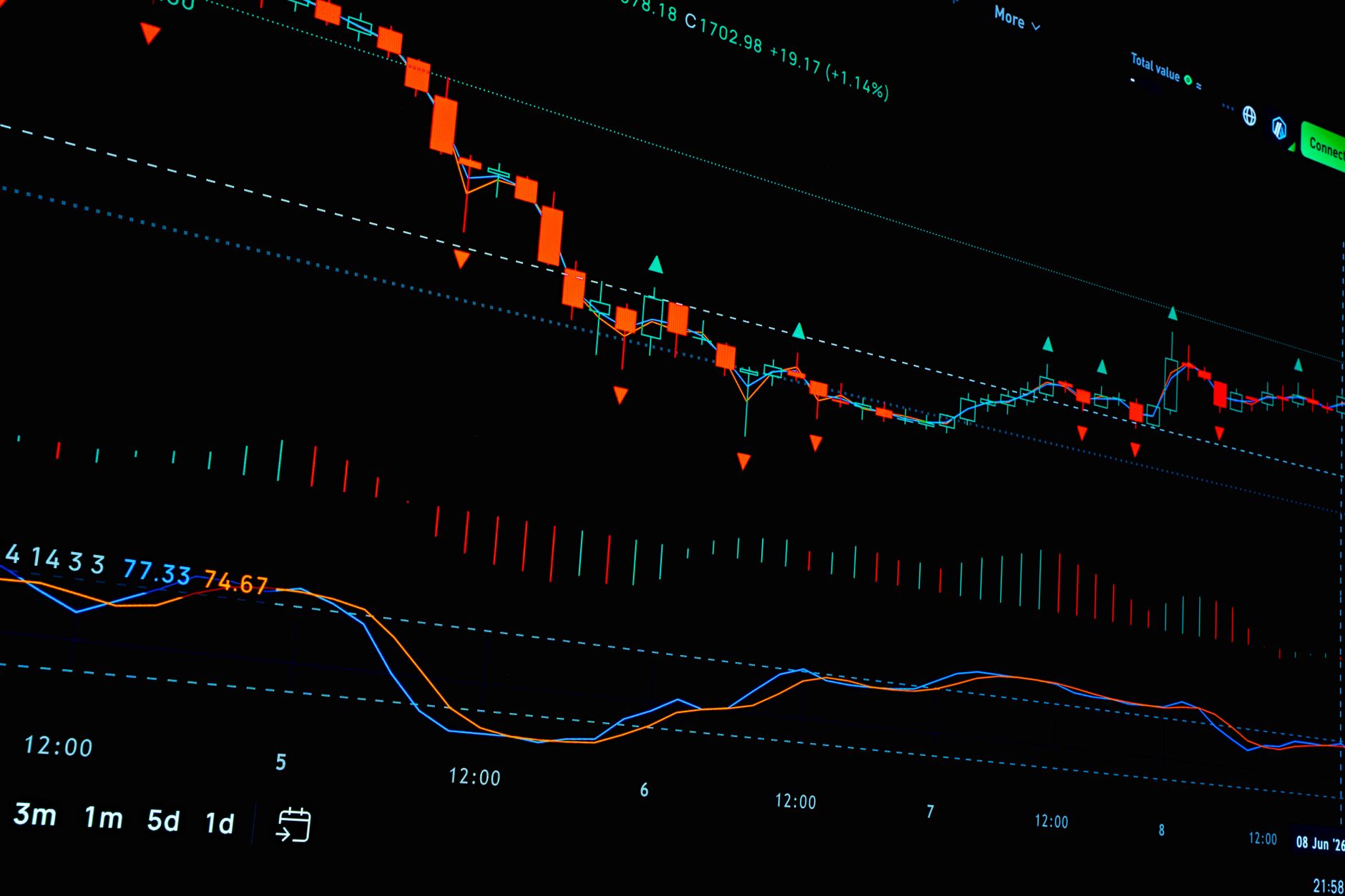
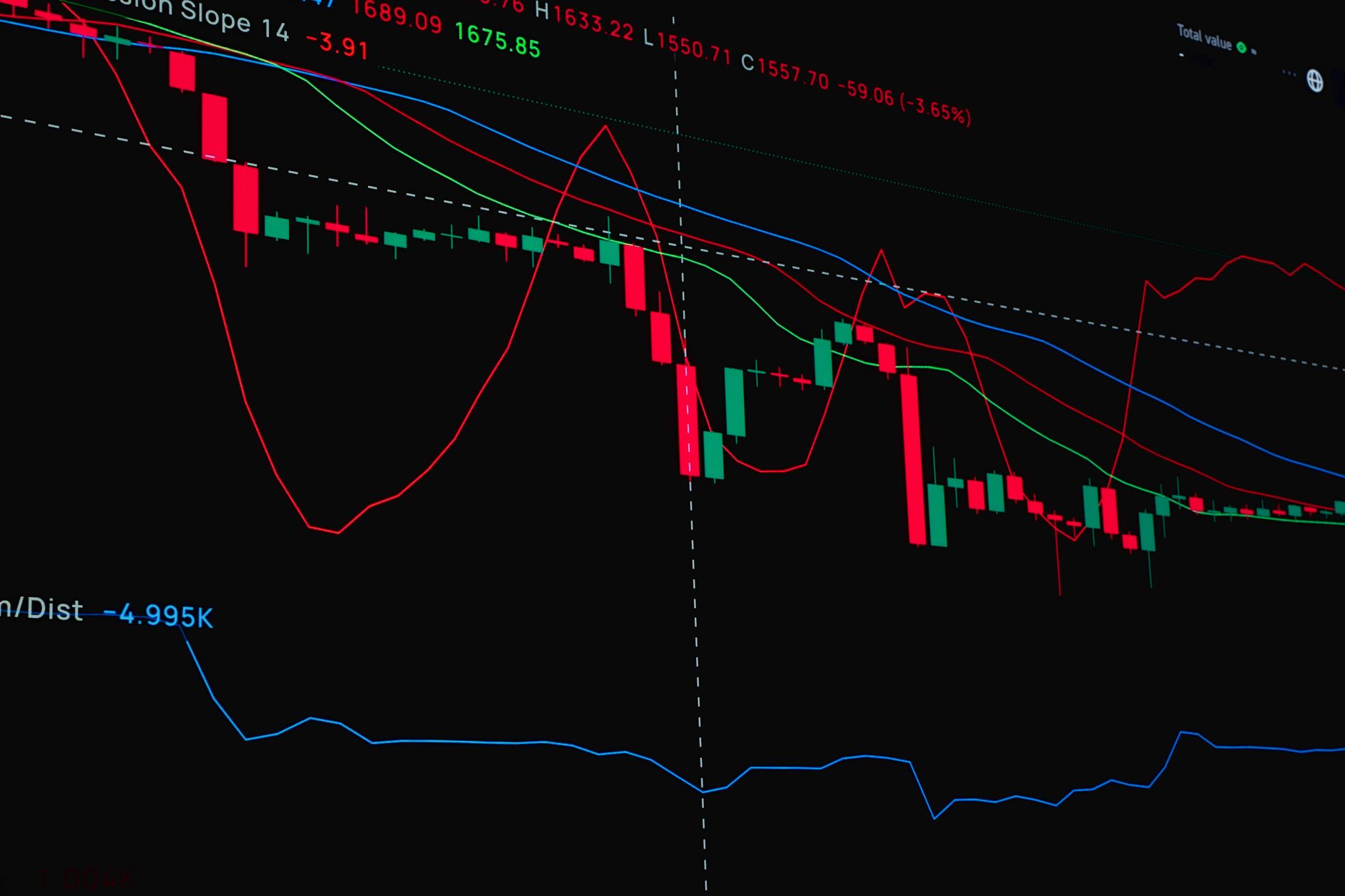
Candlestick charts visually represent price movements over specific time periods, with each "candle" showing four crucial data points: opening price, closing price, highest price (high), and lowest price (low). The rectangular body displays the range between opening and closing prices, while thin lines (called wicks or shadows) extend from the body to show the high and low extremes. When the closing price is higher than the opening price, the candle is typically colored green or white (bullish); when the closing is lower, it's red or black (bearish).
In cryptocurrency markets, candlestick charts matter more than in traditional markets for several reasons. First, crypto markets operate 24/7, creating continuous price action that candlesticks capture effectively. Second, the extreme volatility of digital assets means price movements happen rapidly—candlesticks help traders identify these movements as they develop. Third, the global, decentralized nature of crypto trading means market psychology plays an even greater role, and candlestick patterns are essentially visual representations of collective trader psychology.
According to a 2023 study by the Crypto Trading Institute, traders who consistently use candlestick analysis show 42% higher profitability over six months compared to those relying solely on fundamental analysis. This statistic underscores why every serious crypto trader needs to master this skill.
The Anatomy of a Candlestick: Understanding Basic Components
Before analyzing patterns, you must understand what each part of a candlestick represents. The body (the thick part) shows the opening and closing prices for your chosen timeframe—whether that's 1 minute, 1 hour, 1 day, or 1 week. A long body indicates strong buying or selling pressure during that period, while a short body suggests indecision or consolidation.
The upper wick (also called upper shadow) represents the highest price reached during the timeframe, while the lower wick shows the lowest price. Long wicks indicate price rejection—when the market tested a level but couldn't sustain it. For example, a long upper wick on a red candle shows buyers pushed the price up temporarily, but sellers ultimately dominated and pushed it back down.
Here's a breakdown of what different candlestick shapes typically indicate:
| Candlestick Feature | Bullish Implication | Bearish Implication |
|---|---|---|
| Long green body | Strong buying pressure | N/A |
| Long red body | N/A | Strong selling pressure |
| Small body (doji) | Market indecision | Market indecision |
| Long upper wick | Resistance encountered | Failed rally attempt |
| Long lower wick | Support found | Failed sell-off |
| No wicks (marubozu) | Extreme conviction | Extreme conviction |
Understanding these basic components allows you to "read" what happened during any trading period at a glance—a skill that forms the foundation of all technical analysis.
Timeframes: Choosing the Right Perspective for Analysis
Crypto charts display candlesticks across various timeframes, each serving different trading styles and objectives. Day traders might focus on 1-minute to 15-minute charts, swing traders on 4-hour to daily charts, and long-term investors on weekly or monthly charts. The same candlestick pattern can have different significance depending on your timeframe.
For beginners, we recommend starting with daily charts to identify broader trends before diving into shorter timeframes. Daily candles filter out much of the market noise while still providing timely signals. As you gain experience, you can implement multi-timeframe analysis—examining the same asset across different timeframes to confirm signals. For instance, a bullish pattern on a daily chart carries more weight if it's also appearing on the weekly chart.
Remember that in cryptocurrency, weekend trading often differs from weekday activity, and major announcements can create volatility that appears differently across timeframes. Always consider the context of when a pattern forms, not just the pattern itself.
Single Candlestick Patterns: The Building Blocks
Single candlestick patterns provide immediate insights into market sentiment during a single trading period. While they're most reliable when confirmed by subsequent price action, recognizing these patterns helps you spot potential reversals or continuations early.
Doji: Perhaps the most important single candlestick pattern, the doji has a very small body with wicks of varying lengths. It indicates market indecision where opening and closing prices are nearly identical. Different doji types provide additional nuance:
- Standard doji: Opening and closing prices are exactly or nearly equal
- Long-legged doji: Long upper and lower wicks show volatility with no resolution
- Dragonfly doji: Long lower wick with little or no upper wick suggests selling pressure was rejected
- Gravestone doji: Long upper wick with little or no lower wick indicates buying pressure was rejected
Marubozu: A candlestick with no wicks, where the opening price equals the low (in a bullish marubozu) or the closing price equals the low (in a bearish marubozu). This shows extreme conviction with no price rejection during the period.
Hammer and Hanging Man: These look identical—small bodies with long lower wicks and little to no upper wicks—but have opposite meanings depending on context. In a downtrend, it's a hammer (bullish reversal); in an uptrend, it's a hanging man (bearish reversal).
Inverted Hammer and Shooting Star: Again, identical appearance but opposite meanings. Both have small bodies with long upper wicks. In a downtrend, it's an inverted hammer (potential bullish reversal); in an uptrend, it's a shooting star (potential bearish reversal).
Two-Candlestick Reversal Patterns: Early Warning Signals
When single candlestick patterns combine with subsequent candles, they form more reliable signals. Two-candlestick patterns often provide early warnings of potential trend changes.
Bullish and Bearish Engulfing Patterns: These occur when a small candle is followed by a larger candle in the opposite direction that completely "engulfs" the previous candle's body. A bullish engulfing pattern (red candle followed by larger green candle) suggests buyers have overwhelmed sellers. A bearish engulfing pattern (green candle followed by larger red candle) indicates sellers have taken control. These patterns are particularly significant at key support or resistance levels.
Tweezer Tops and Bottoms: These form when two consecutive candles have identical highs (tweezer top) or lows (tweezer bottom). Tweezer tops suggest resistance at that price level, while tweezer bottoms indicate support. The pattern is stronger when one candle is bullish and the other bearish, showing a battle between buyers and sellers at that level.
Piercing Line and Dark Cloud Cover: The piercing line (bullish) occurs in a downtrend when a red candle is followed by a green candle that opens lower but closes above the midpoint of the previous candle's body. The dark cloud cover (bearish) is the opposite—in an uptrend, a green candle is followed by a red candle that opens higher but closes below the midpoint of the previous candle's body.
Three-Candlestick Reversal Patterns: Higher Probability Signals
Three-candlestick patterns provide even stronger reversal signals as they show more sustained shifts in market psychology.
Morning and Evening Stars: The morning star (bullish reversal) forms in a downtrend with: 1) a long red candle, 2) a small-bodied candle (often a doji) that gaps down, and 3) a long green candle that closes well into the first candle's body. The evening star (bearish reversal) is the opposite pattern in an uptrend. These patterns represent a gradual transition from one trend to another.
Three White Soldiers and Three Black Crows: Three white soldiers consist of three consecutive long green candles with small wicks, each closing higher than the previous, typically following a downtrend. This shows sustained buying pressure. Three black crows are the bearish equivalent—three long red candles following an uptrend, showing sustained selling pressure.
Abandoned Baby: A rare but powerful three-candle pattern featuring a doji that gaps away from the previous candle, followed by a candle that gaps in the opposite direction. The bullish version occurs at bottoms; the bearish version at tops. The doji represents complete indecision before a strong reversal.
Continuation Patterns: Identifying When Trends Will Resume
Not all candlestick patterns signal reversals—many indicate that the current trend is pausing before continuing. Recognizing continuation patterns helps you avoid exiting positions prematurely.
Rising and Falling Three Methods: These patterns occur within strong trends. The rising three methods (bullish continuation) features a long green candle, followed by three small-bodied candles that trend downward but stay within the range of the first candle, then a final long green candle that breaks to new highs. The falling three methods is the bearish equivalent. These patterns show consolidation before trend continuation.
Separating Lines: Also called "in-neck" or "on-neck" patterns, these show brief counter-trend moves that fail to reverse the dominant trend. In a bullish separating line pattern, a green candle is followed by a red candle that opens at or near the previous close but doesn't create significant downward movement, then the uptrend resumes.
Mat Hold and Upside Gap Two Crows: More complex continuation patterns that appear less frequently but provide high-probability signals when they do form. These are best studied as part of a comprehensive technical analysis education.
Volume Confirmation: Why Candlesticks Need Supporting Evidence
Candlestick patterns gain credibility when accompanied by corresponding volume patterns. Volume represents the number of coins or tokens traded during a period and confirms whether market participants support the price action shown in candlesticks.
Generally, bullish reversal patterns should see increasing volume on the confirmation candle, while bearish reversal patterns often see volume increase as the pattern develops. Continuation patterns typically show declining volume during consolidation, with volume increasing as the trend resumes.
In cryptocurrency markets, volume analysis requires additional consideration. First, volume is spread across numerous exchanges, so no single source provides complete data. Second, wash trading (fake volume) remains a problem on some exchanges. Focus on reputable exchanges with audited volume, and consider using volume indicators that smooth data across multiple sources.
Practical Application: Analyzing Bitcoin's 2021 Bull Run
Let's examine how candlestick patterns played out during Bitcoin's major rally in 2021. In late July 2021, Bitcoin formed a clear morning star pattern on the weekly chart after declining from April highs. This three-candle pattern featured a long red candle, a doji with a lower shadow (showing rejection of lower prices), followed by a strong green candle that closed above the first candle's midpoint. Volume increased significantly on the third candle, confirming the reversal signal.
Following this reversal, Bitcoin established an uptrend characterized by multiple bullish continuation patterns. The rising three methods appeared several times during October and November, each time preceding another leg up. These patterns allowed alert traders to add to positions or maintain existing ones rather than taking profits too early.
The peak in November 2021 showed classic topping signals. First, multiple doji candles appeared at the highs, indicating indecision. Then a bearish engulfing pattern formed on the weekly chart, followed by three black crows as the decline accelerated. Traders who recognized these patterns could have exited near the top or implemented protective stops.
This real-world example demonstrates how candlestick patterns provide actionable signals throughout major market movements, not just at turning points.
Common Mistakes Beginners Make with Candlestick Analysis
Even with proper knowledge, beginners often make predictable errors when applying candlestick analysis:
- Isolating patterns from context: A bullish pattern in a strong downtrend is less reliable than the same pattern at a historical support level. Always consider the broader trend and key price levels.
- Ignoring timeframe alignment: A bullish pattern on a 15-minute chart means little if the daily chart shows a bearish pattern. Analyze multiple timeframes for confirmation.
- Over-trading based on single patterns: No single candlestick pattern guarantees success. Use them as part of a comprehensive strategy including risk management and other indicators.
- Neglecting volume confirmation: Patterns without corresponding volume patterns are like cars without engines—they look right but won't go anywhere.
- Applying stock market rules directly: Crypto markets have unique characteristics including 24/7 trading, different volatility patterns, and distinct market cycles. Adjust your analysis accordingly.
Integrating Candlestick Patterns with Other Technical Tools
While powerful alone, candlestick patterns become exponentially more effective when combined with other technical analysis tools. Support and resistance levels help identify where patterns are most significant. Moving averages provide trend context—patterns that form at key moving averages (like the 50-day or 200-day) carry extra weight.
Oscillators like the Relative Strength Index (RSI) or MACD can confirm whether a candlestick pattern aligns with overbought or oversold conditions. For instance, a bullish reversal pattern when RSI is below 30 (oversold) has higher probability than the same pattern when RSI is neutral.
Fibonacci retracement levels often coincide with significant candlestick patterns, as these mathematical ratios identify where traders are likely to enter or exit positions. When multiple technical tools align with a candlestick pattern, you have what traders call a "confluence"—a high-probability trading opportunity.
For a deeper exploration of how to combine these tools effectively, our comprehensive guide to technical analysis strategies provides detailed frameworks and examples.
Developing Your Candlestick Analysis Skills: A Practice Framework
Mastering candlestick analysis requires deliberate practice, not just theoretical knowledge. Follow this framework to develop your skills systematically:
- Start with historical analysis: Go back through major crypto charts (Bitcoin, Ethereum, etc.) and identify candlestick patterns at key turning points. Note what preceded and followed each pattern.
- Paper trade based on patterns: Use a demo account to practice identifying and acting on candlestick patterns without risking real capital.
- Keep a trading journal: Document every pattern you identify, your interpretation, the outcome, and what you learned.
- Focus on high-timeframe patterns first: Daily and weekly patterns are more reliable and easier to identify than minute-by-minute patterns.
- Join trading communities: Discuss patterns with experienced traders to gain different perspectives and accelerate your learning.
According to professional crypto trader Elena Rodriguez, "The traders who succeed long-term are those who treat candlestick analysis as a language they're learning to speak fluently, not just a set of patterns to memorize. They understand the psychology behind each formation."
Conclusion: Transforming Chart Reading from Mystery to Mastery
Candlestick patterns represent the collective psychology of market participants visualized through price action. For cryptocurrency traders and investors, these patterns provide a structured way to interpret market movements, identify potential reversals and continuations, and make informed decisions in a highly volatile environment.
Remember that no single pattern guarantees success, and context always matters. The same bullish engulfing pattern that signals a major bottom in one situation might be insignificant noise in another. Your goal should be developing pattern recognition as one tool within a comprehensive trading strategy that includes risk management, fundamental analysis, and emotional discipline.
As you continue your technical analysis journey, consider exploring more advanced concepts in our complete guide to market analysis techniques, which builds directly on the foundation you've established here. The cryptocurrency markets reward those who combine knowledge with patience and discipline. By mastering candlestick patterns, you're not just learning to read charts—you're learning to read the market itself.
Start applying these concepts today with small positions, maintain realistic expectations, and focus on continuous improvement. Within months, what once appeared as random candles on a screen will transform into a clear narrative of buyer and seller behavior—giving you the insight needed to navigate crypto markets with greater confidence and precision.