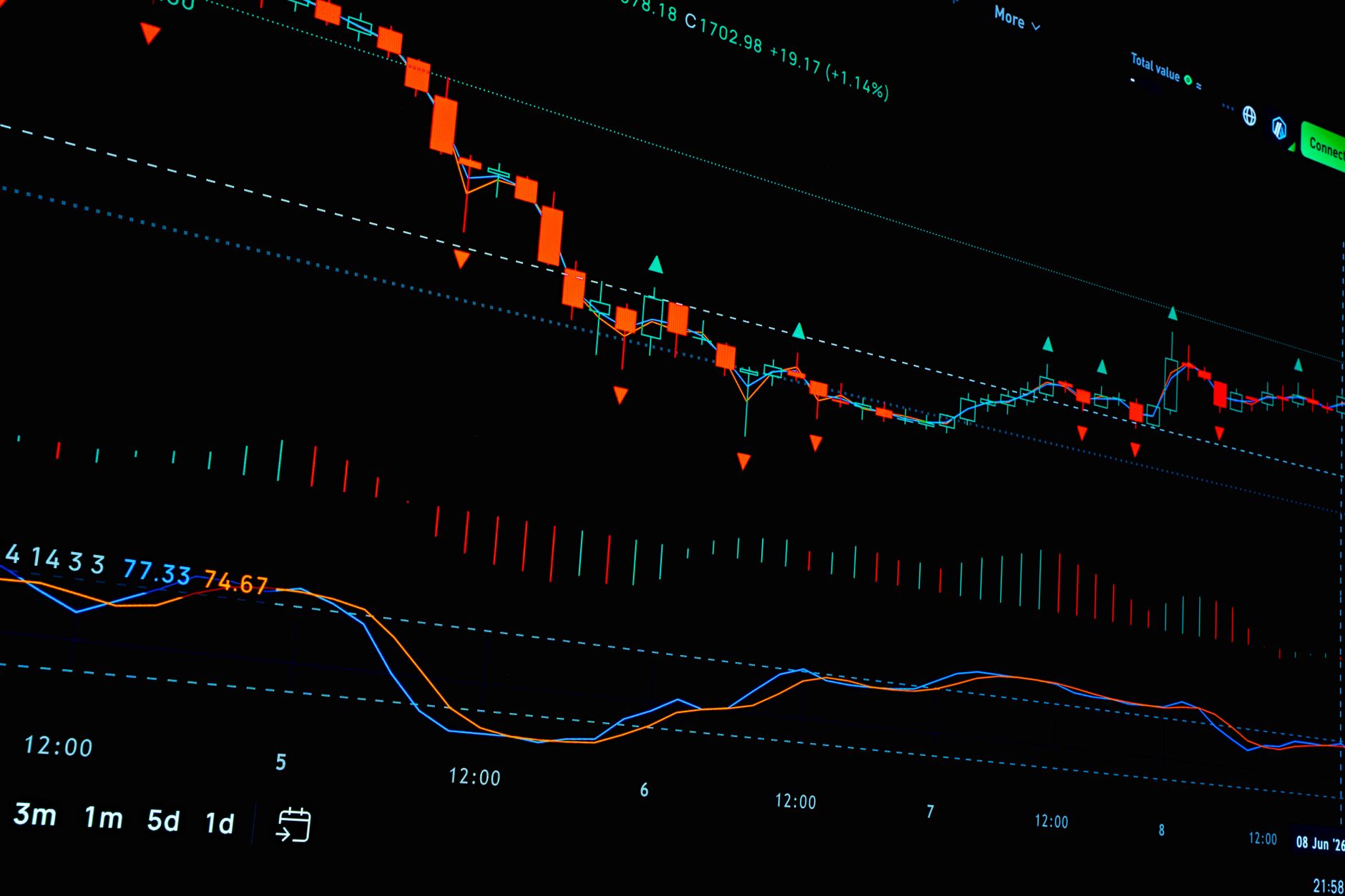
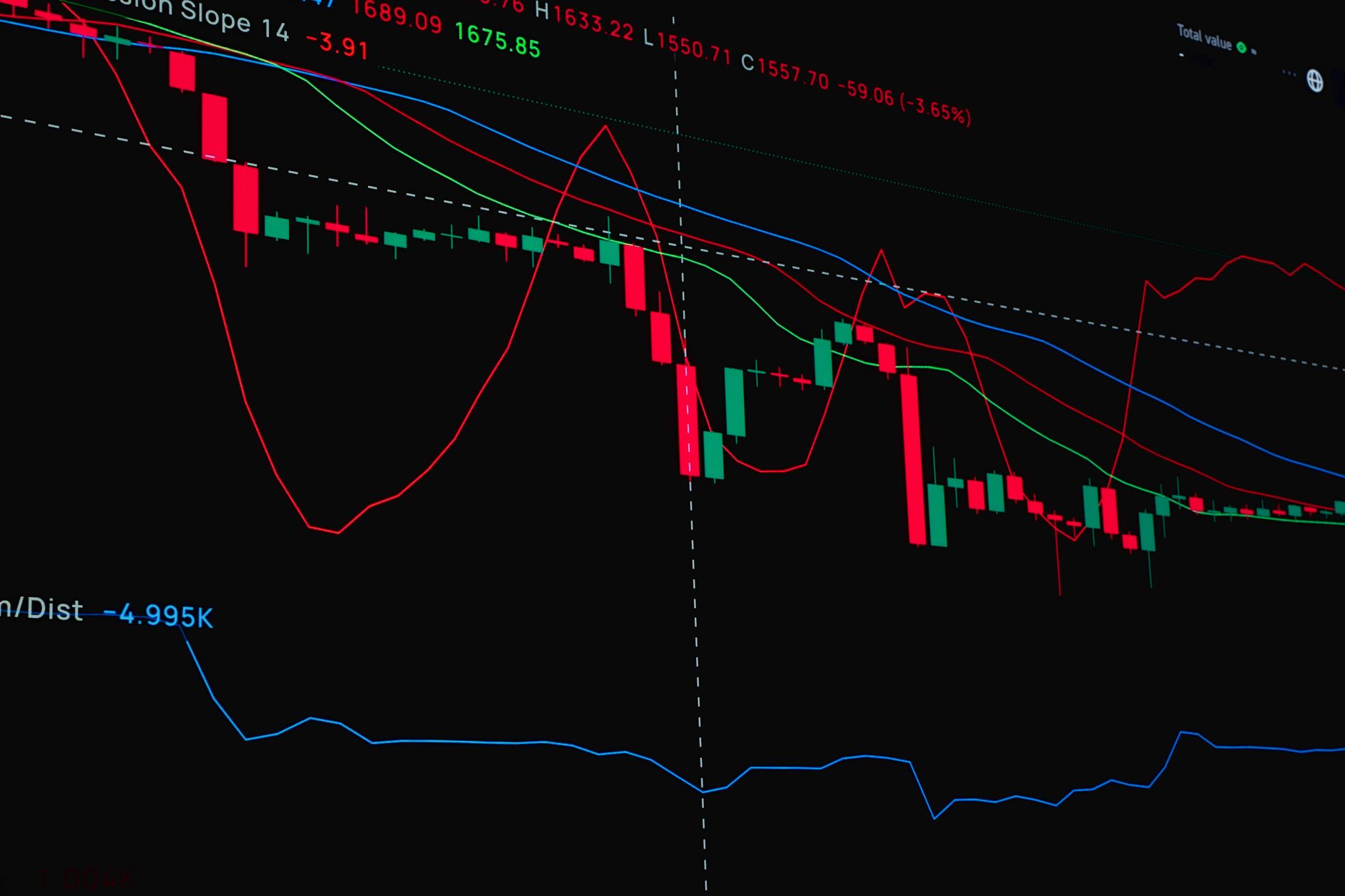
Fibonacci Retracement in Crypto: How to Use Fibonacci Levels for Trading
Fibonacci retracement is a powerful technical analysis tool used by cryptocurrency traders to identify potential support and resistance levels. Derived from the Fibonacci sequence, these levels help traders anticipate price reversals and set entry or exit points. This article provides a practical guide to applying Fibonacci retracement in crypto trading, with examples and strategies tailored to the volatile digital asset markets.
For a broader understanding of technical analysis, read our Technical Analysis: The Complete Guide for Cryptocurrency Traders.
What Is Fibonacci Retracement and Why It Matters in Crypto
Fibonacci retracement is based on the mathematical sequence discovered by Leonardo Fibonacci. In trading, the key retracement levels—23.6%, 38.2%, 50%, 61.8%, and 78.6%—are derived from ratios between numbers in the sequence. These levels indicate how far price might retrace after a significant move before continuing in the original direction.
Cryptocurrency markets are known for sharp trends and deep pullbacks. Fibonacci retracement helps traders:
- Identify high-probability support/resistance zones
- Set stop-loss and take-profit targets
- Confirm trend reversals when combined with other indicators
- Manage risk in volatile conditions
How to Draw Fibonacci Retracement Levels
Drawing Fibonacci retracement correctly is crucial. Follow these steps on any charting platform (TradingView, Binance, etc.):
- Identify a clear trend: Uptrend (higher highs and higher lows) or downtrend (lower highs and lower lows).
- Select the Fibonacci tool: Usually found in the drawing tools.
- Drag from the start to the end of the move:
- For an uptrend: Drag from the swing low to the swing high.
- For a downtrend: Drag from the swing high to the swing low.
- Levels appear automatically: The most commonly used are 0.236, 0.382, 0.5, 0.618, 0.786, and 1.
Example: Bitcoin Uptrend Retracement
Suppose Bitcoin rallies from $30,000 to $40,000. The Fibonacci retracement levels are:
| Level | Price |
|---|---|
| 0.0% | $40,000 |
| 23.6% | $37,640 |
| 38.2% | $36,180 |
| 50% | $35,000 |
| 61.8% | $33,820 |
| 78.6% | $32,140 |
| 100% | $30,000 |
During a pullback, traders watch these levels for potential bounces. The 61.8% level is considered the "golden ratio" and often acts as strong support.
Fibonacci Retracement Trading Strategies for Crypto
Strategy 1: Trend Continuation (Buy the Dip)
In an uptrend, wait for the price to retrace to a Fibonacci level (e.g., 38.2%, 50%, or 61.8%) and show a bullish reversal candlestick pattern (e.g., hammer, bullish engulfing). Enter a long position with a stop-loss just below the retracement level or the next lower level. Take profit at the previous high or higher.
Case Study: Ethereum (ETH)
In March 2023, Ethereum rallied from $1,500 to $2,000. After reaching $2,000, it pulled back to the 61.8% level at $1,690. A bullish engulfing candle formed, confirming support. Traders who bought at $1,690 with a stop at $1,630 (below 78.6% at $1,607) could have taken profit at $2,000, yielding an 18% gain.
Strategy 2: Trend Reversal (Fading the Move)
When the price breaks a Fibonacci level aggressively, it may signal a trend reversal. For example, in a downtrend, if price retraces to the 61.8% level and forms a bearish reversal pattern, consider shorting.
Strategy 3: Confluence with Other Indicators
Combine Fibonacci with support/resistance, moving averages, or RSI divergences for stronger signals. For instance, if the 61.8% retracement coincides with a 50-day moving average, the level is more significant.
Learn more about reading price action in our guide: How to Read Crypto Charts: Candlestick Patterns Explained for Beginners.
Common Mistakes and Best Practices
Mistakes to Avoid
- Using Fibonacci without identifying a clear trend (levels are meaningless in sideways markets)
- Relying solely on Fibonacci without confirmation
- Misplacing the swing points (e.g., using minor highs/lows instead of significant ones)
- Ignoring the 50% level (though not a true Fibonacci ratio, it often acts as support/resistance)
Best Practices
- Draw multiple Fibonacci retracements on different timeframes for a broader view
- Use the 61.8% and 78.6% levels as primary reversal zones
- Combine with volume analysis: increasing volume on a bounce confirms the level
- Keep risk management tight: always use stop-loss orders
Advanced Fibonacci Tools: Extensions and Time Zones
Fibonacci Extensions
These project potential price targets beyond the current trend. Common extension levels: 127.2%, 161.8%, 261.8%. After a retracement, extensions help set profit targets.
Fibonacci Time Zones
Vertical lines based on Fibonacci ratios that predict when a trend might change. Though less precise, they add a time dimension to analysis.
Conclusion
Fibonacci retracement is a versatile tool for crypto traders. By identifying key levels where price is likely to reverse or continue, you can improve entry timing and risk management. Remember to use it in confluence with other indicators and always practice on demo accounts first.
Key Takeaways
- Fibonacci retracement levels are derived from mathematical ratios and indicate potential support/resistance.
- Draw levels from swing low to swing high (uptrend) or swing high to swing low (downtrend).
- The 61.8% level is the most significant, but 38.2%, 50%, and 78.6% also matter.
- Combine Fibonacci with candlestick patterns and volume for confirmation.
- Avoid using Fibonacci in choppy, sideways markets.
Mastering Fibonacci retracement takes practice, but it can become a cornerstone of your crypto trading strategy.